

Think about the last time someone gave you a gift that felt like you. It probably came with a small moment of recognition when they remembered something you said, noticed what you reach for every morning, or brought up a story you’d half forgotten. That’s a good place to start when you’re choosing a gift for someone you love.
Think of one thing you know about them, then decide how you want the gift to fit into their life. It might be a keepsake they’ll see every day, something useful for a routine they enjoy, or time you’ve set aside to spend together. The occasion helps set the tone, and the person helps you choose.
Start with one thing you’ve noticed
Think back to a recent conversation or an ordinary day together. What do they stop to look at? What do they keep even when they’re clearing things out? What do they tend to make time for? Use an answer you can make specific. “They love coffee” gives you a category. “They make a second cup and take it out to the porch on Sundays” suggests a more specific gift. Think of their favorite beans, a mug that feels good to hold, or a quiet Sunday breakfast you plan for them.
Before browsing, try to finish the sentence I thought of you because…. If you can end it with a real detail, you have something to work from. A postcard from a place you visited, a recording of a song you both remember, and a book by an author they keep talking about can all come from that exercise. Notice whether the idea makes you think of something they enjoy now. Interests, tastes, and routines change.
Match the gesture to the occasion
| Occasion | A useful starting point | Examples |
|---|---|---|
| Valentine’s Day | Pick up on something sweet, funny, or familiar between you. | A note with a favorite memory, a small keepsake, or an evening built around their favorite meal. |
| Anniversary | Choose a memory you want to revisit or a ritual you want to keep. | A print of a place you went together, a framed photo, or a return visit to a favorite spot. |
| Wedding | Think about the couple’s shared taste and plans. Start with their registry if they have one. | A requested item with a personal card, or a modest keepsake if you know what both people like. |
| Just because | Let a small observation be the reason. | Something from a favorite bakery, a book they mentioned, flowers they like, or a handwritten note. |
Consider how the recipient likes to receive affection. Someone who enjoys surprises might love finding a gift tucked beside their keys. Someone who prefers quiet gestures may appreciate receiving it at home. For a wedding gift, choose something both people can enjoy or use. For an anniversary, a detail that belongs to the two of you can carry the whole gift.
Choose a keepsake, an everyday gift, or time together
A keepsake for a memory or a symbol
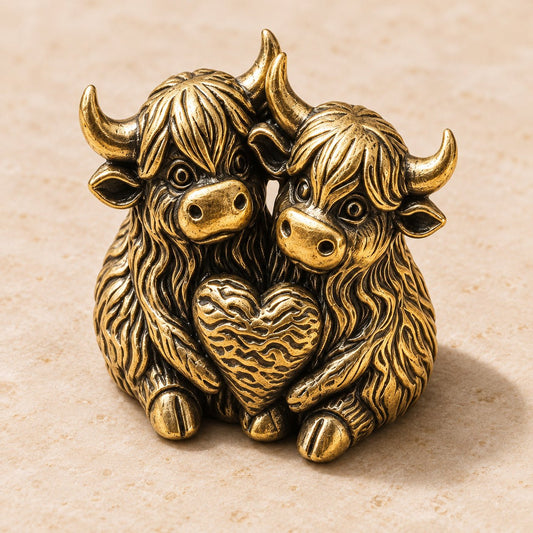
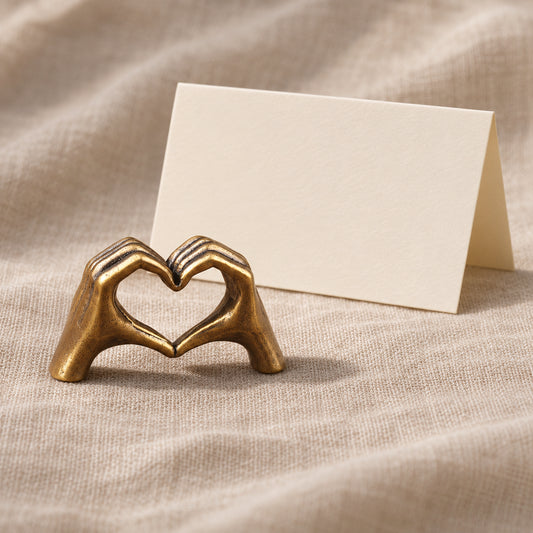
Choose a keepsake when a memory or shared reference comes to mind easily. That could be a photo, a small print of a familiar place, or an animal or symbol they’ve always liked. A miniature brass heart is one example of a gesture small enough for a desk tray or bedside shelf. For someone who doesn’t display many objects, a note or photo they can keep in a book may suit them better.
For a decorative piece, consider whether you’ve actually seen them display that kind of object. Look at the finishes and colors already in their home. If you know they like wood, warm metals, or glazed pottery, use one of those as a starting point. If you know they like a symbol, write a line about why it made you think of them. The explanation is often the part they keep coming back to.
An everyday gift for a routine they enjoy
Start with a routine they already like. If they make tea every evening, think about the tea itself, what they drink it from, and where they settle in to enjoy it. If they cook for fun, a favorite ingredient or a recipe you make together can feel more personal than a gadget. When you’re buying an object they’ll handle every day, check the details that matter to them, like whether a mug’s handle is roomy or whether it fits under their coffee machine. A wide patterned mug makes sense for someone who already likes a generous cup.
An experience when time together is the gift
Plan an experience around what they actually enjoy. It can be as simple as making breakfast, taking a walk somewhere they’ve wanted to visit, or spending an evening working through a recipe. If you’re booking something, check their availability, how easy it is to get there, and whether they can change the date. A short list of two dates or two activities gives them a choice without handing them all the planning.
Picture where it will live
A close-up makes a tiny object easy to see, so look for a size reference like a hand, a ruler, or a photo of the object on a familiar surface. A miniature works well near a photo frame or somewhere they’ll see it up close. A low, wide piece may need more room across a shelf than you’d expect. A taller sculpture might fit into a narrow spot if there’s enough height above it and enough depth for the base.
Try a paper footprint. Fold a piece of paper to the listed width and depth and set it where the gift could sit. Leave space for the books, lamps, or glasses that already live there. For a set of two, try two pieces of paper, with a little room to change their arrangement.
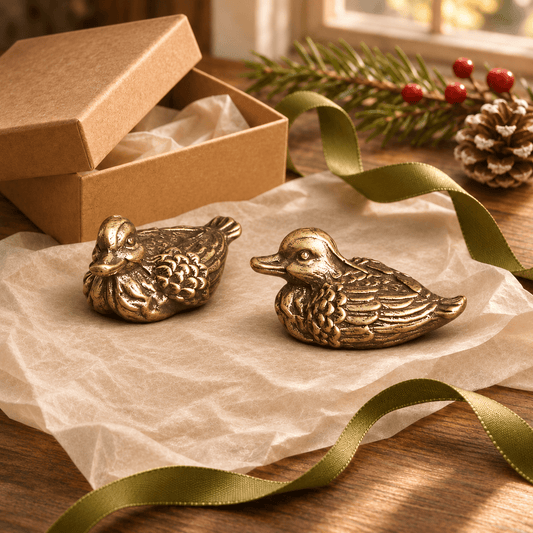
Read the material and finish separately. A brass-colored finish tells you how something looks. The material tells you what it’s made of. If it will be handled often, check the care instructions. Look at what comes in the box, too. A photo might show a pair of mugs or a vase with flowers as part of the scene. Check the selected option before buying.
Write the line only you could write
A short card can help the recipient see what you saw. “For our second cup on the porch” says something more specific than “hope you like it.” If you’re giving a photograph, include where you were or what you remember about that day. If you’re giving a useful item, tell them where you pictured them using it. You can also give the note on its own if it already says what you wanted the gift to say.
Before you choose
- Name one thing they enjoy or one memory you share.
- Decide whether a keepsake, a daily-use gift, or time together suits them best.
- Check the size, care, and contents if you’re buying an object.
- Write a short note that explains why you chose it.