

-
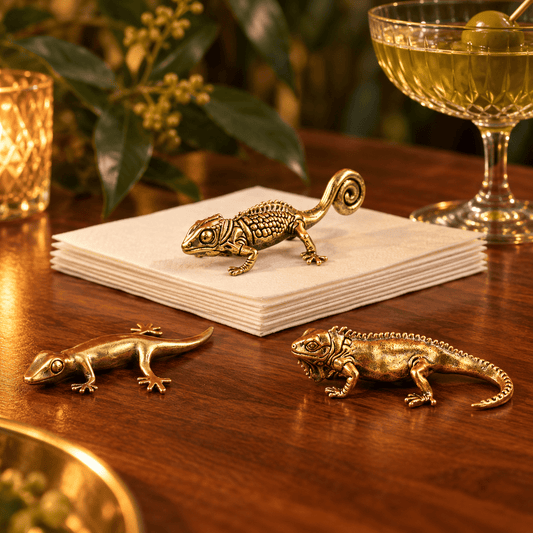
Little Wild – Miniature copper lizard figurines
Regular price From $13.99Regular price From $13.99Unit price per -
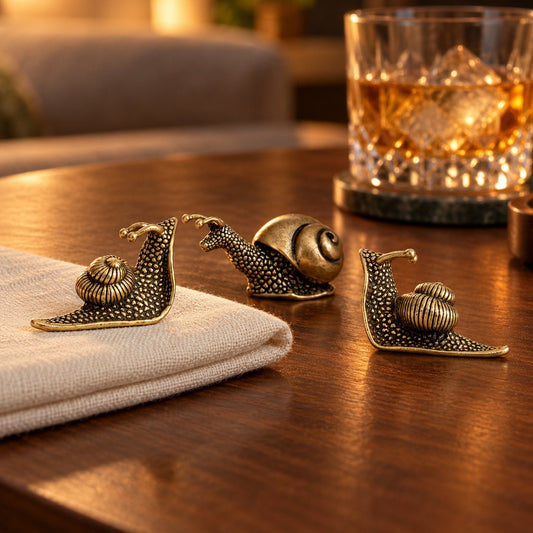
Little Wanders – Miniature brass snail trio
Regular price $24.99Regular price $24.99Unit price perSold out -
Marina – Jute-wrapped glass vase
Regular price From $22.99Regular price From $22.99 Sale priceUnit price per$27.99Sale -
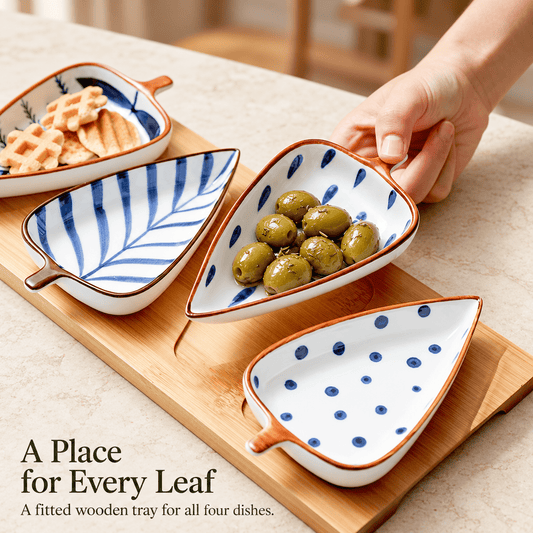
Aoba – Ceramic leaf serving dishes with wooden tray, set of 4
Regular price $79.99Regular price $79.99Unit price per -
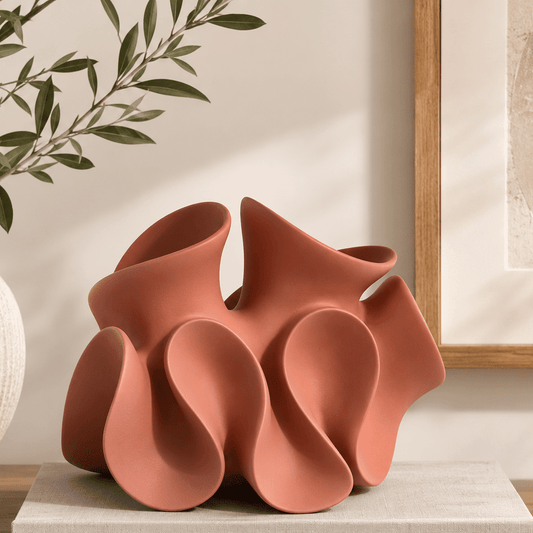
The Petal Flow – Abstract resin decorative sculpture
Regular price $79.99Regular price $79.99Unit price per -
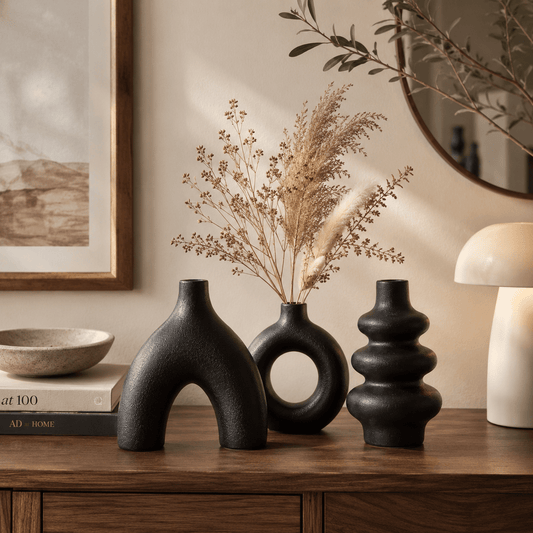
Solvi – Decorative ceramic vase
Regular price From $20.99Regular price From $20.99Unit price per -
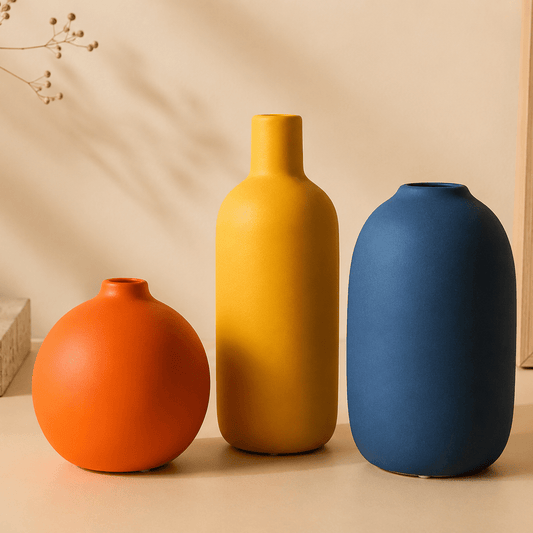
Sienna – Ceramic vase set
Regular price From $58.99Regular price From $58.99Unit price per -
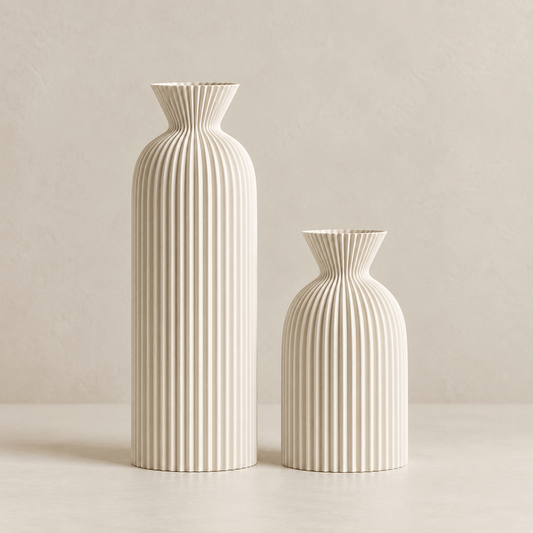
Ripple – set of 2 wavy cylinder vases
Regular price From $28.99Regular price From $28.99 Sale priceUnit price per$34.99Sale -
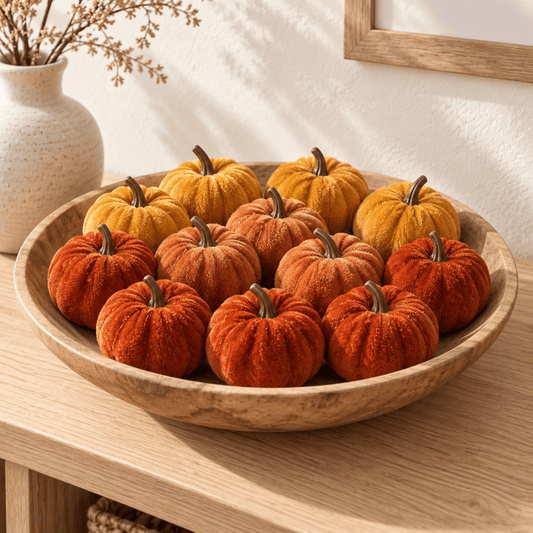
Harvest Plush – 12-piece plush mini pumpkin décor set
Regular price From $22.99Regular price From $22.99 Sale priceUnit price per$27.99Sale -
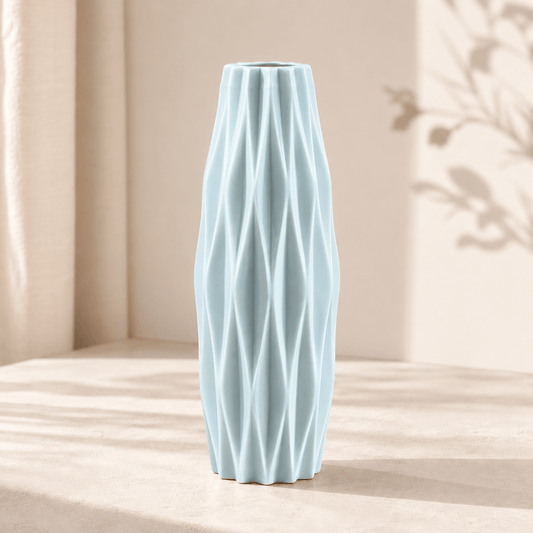
Facet – Diamond pattern faux ceramic vase
Regular price $14.95Regular price $14.95Unit price per -
Stag & Stein – Antler bottle opener
Regular price $29.99Regular price $29.99Unit price per -
Indigo Ritual – Patterned ceramic mug
Regular price $26.99Regular price $26.99Unit price per -
Golden Sprig – Leaf teaspoons (set of 6)
Regular price $19.99Regular price $19.99Unit price per -
Urban Orb – Double glass globe pendant light
Regular price From $119.99Regular price From $119.99Unit price per -
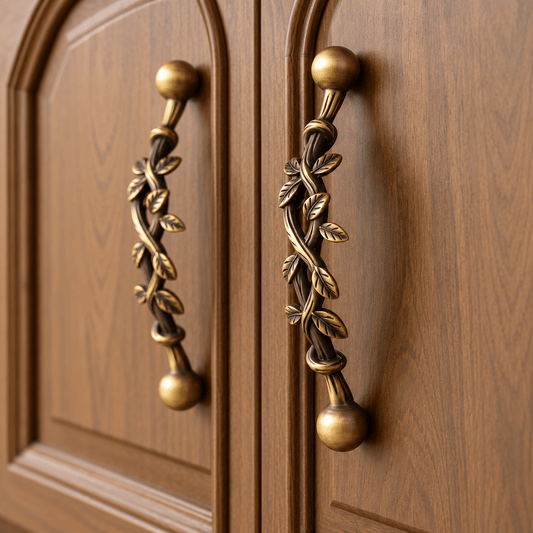
Heirloom Vine – Solid brass cabinet pulls (set of 2)
Regular price From $45.99Regular price From $45.99Unit price per -
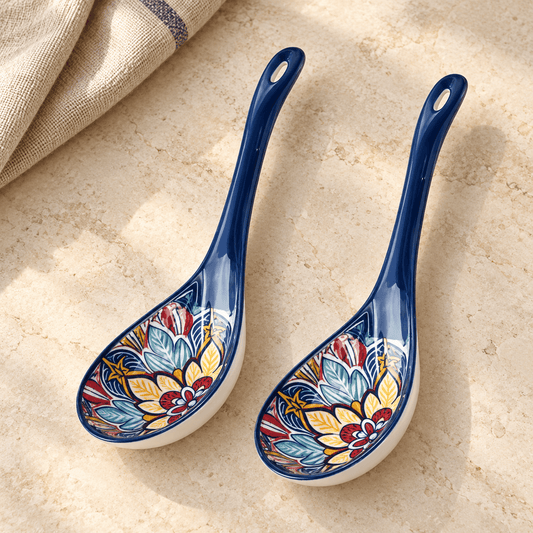
Fiesta – Bohemian ceramic serving spoons, set of 2
Regular price $27.99Regular price $27.99Unit price per -
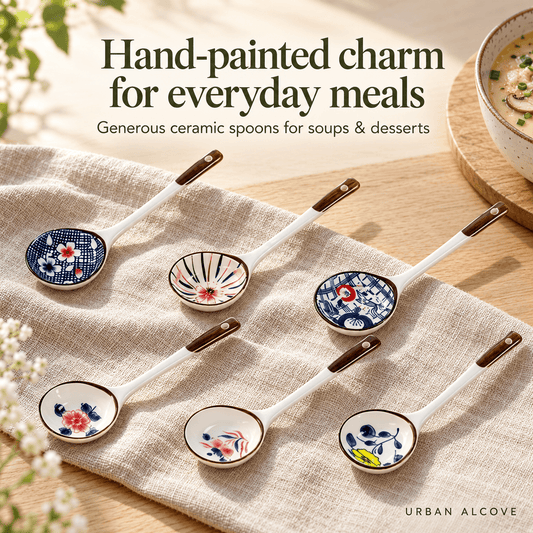
Floren – Hand-painted ceramic spoon gift set
Regular price From $22.99Regular price From $22.99Unit price per -
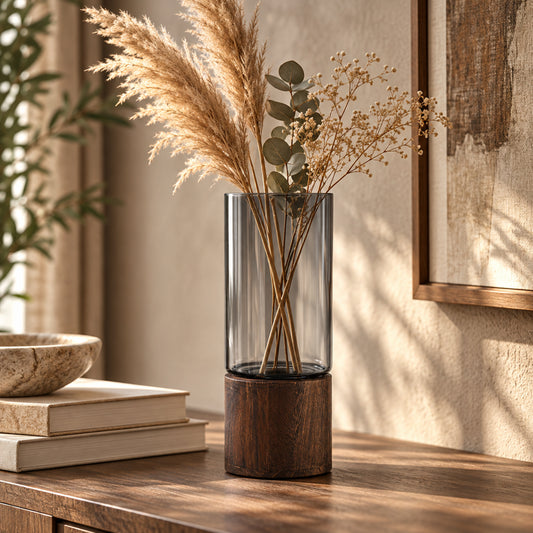
Alder – Smoked glass vase with wooden base
Regular price $34.99Regular price $34.99Unit price per -
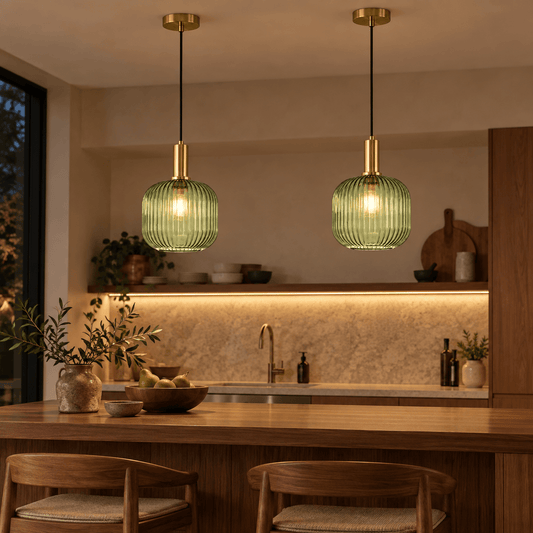
Vetra – Ribbed glass pendant light
Regular price From $81.99Regular price From $81.99Unit price per -
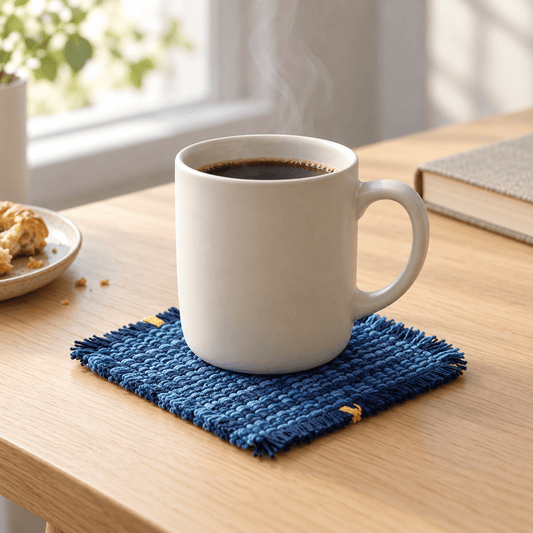
Indigo Loom – Blue woven coasters, set of 6
Regular price $18.99Regular price $18.99Unit price per -
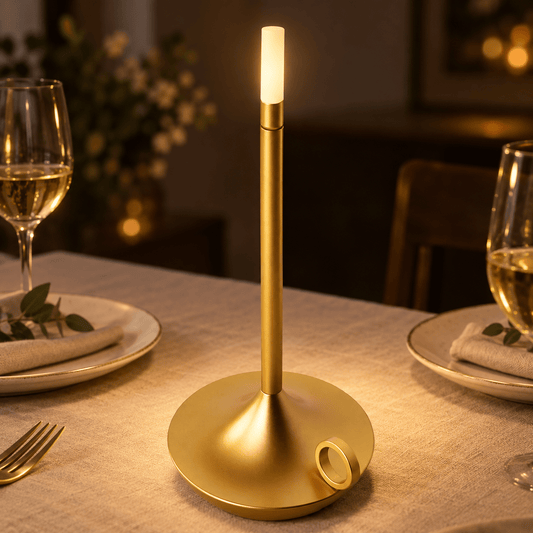
Heritage Glow – Rechargeable LED desk lamp
Regular price $48.99Regular price $48.99Unit price per -
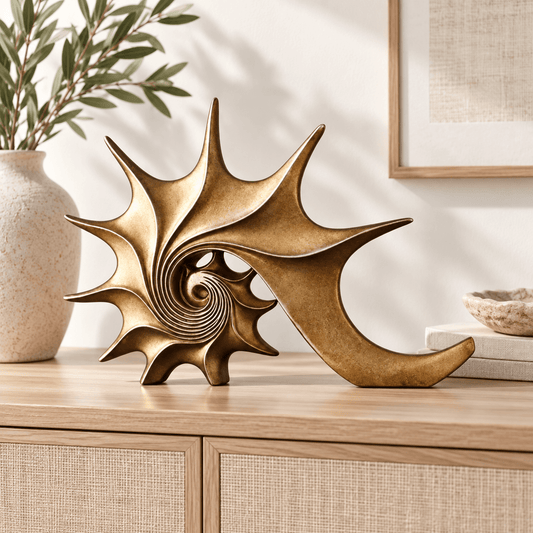
Aurelia – Sculptural gold conch accent
Regular price $79.99Regular price $79.99Unit price per -
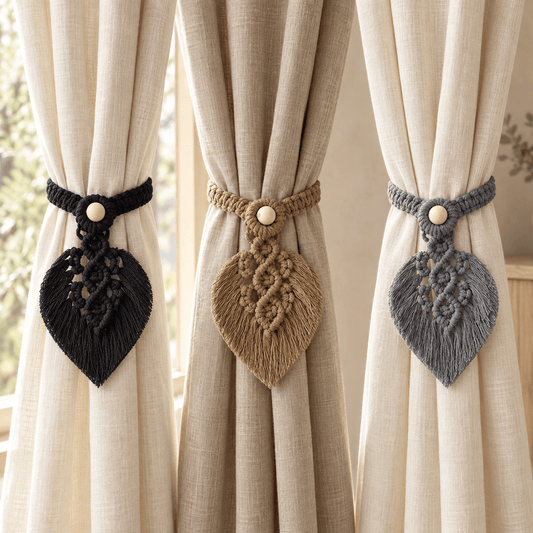
Sylvan Knot – Braided leaf curtain tiebacks, set of 2
Regular price $21.99Regular price $21.99Unit price per -
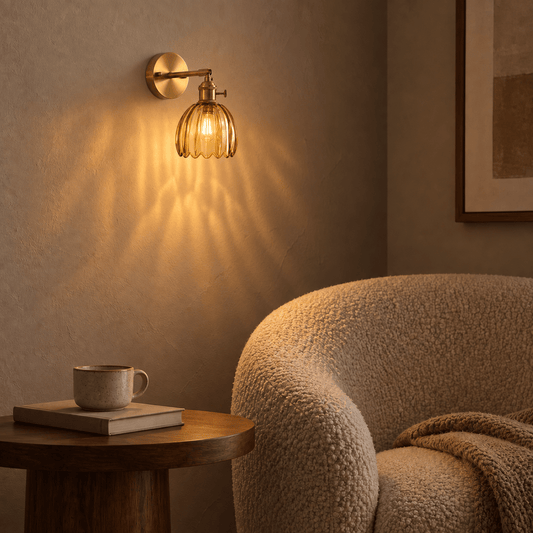
Petalia – Ribbed glass tulip wall sconce
Regular price $99.99Regular price $99.99Unit price per -
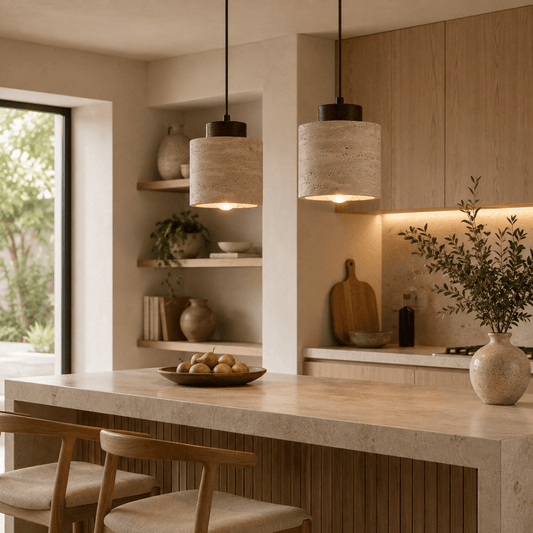
Zen Stone – Travertine pendant light
Regular price From $86.99Regular price From $86.99Unit price per -
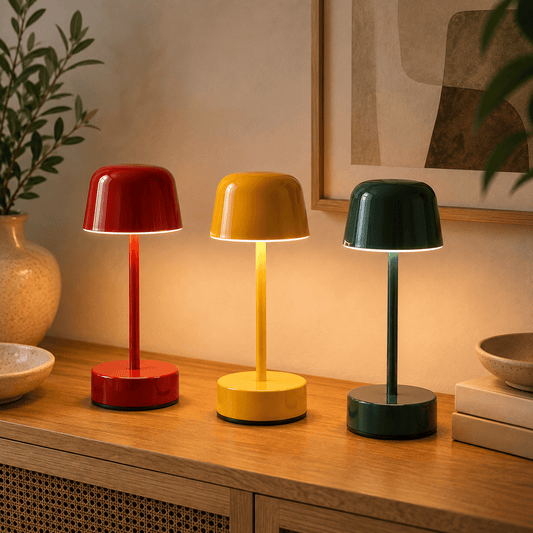
Vela – Cordless rechargeable mushroom table lamp
Regular price $49.99Regular price $49.99Unit price per -
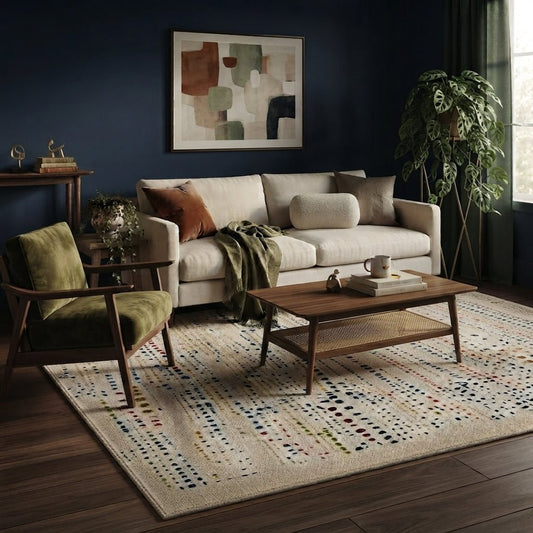
Miro – Abstract transitional area rug
Regular price From $75.99Regular price From $75.99Unit price per -
Folia – Sculpted wooden leaf serving tray
Regular price From $34.99Regular price From $34.99Unit price per -
Fjord – Nordic pendant light
Regular price From $71.95Regular price From $71.95Unit price per -
Briarwing – Botanical bird table runner
Regular price From $26.99Regular price From $26.99Unit price per -
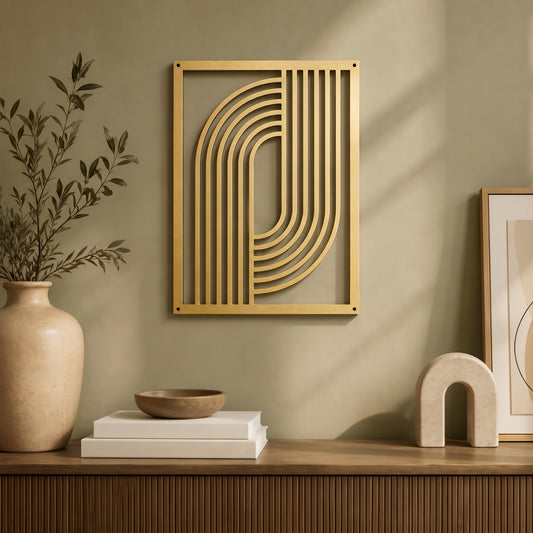
Atlas – Geometric metal wall art
Regular price From $33.99Regular price From $33.99Unit price per -
Kohana – Woven-rim ceramic accent tray
Regular price $34.99Regular price $34.99 Sale priceUnit price per$41.99Sale


































Set the mood with layered lighting
Build the table from function outward
Keep the centerpiece in proportion
Ground the room and preserve circulation

Explore Related Collections
-
Decorative Accents
Complete your space with our Decorative Accents Collection, featuring sculptural objects, figurines,...


Frequently Asked Questions
Ideas & Inspiration
How to Choose Dining Room Décor: Centerpieces, Lighting & Table Accents
A dining room has to shift between everyday meals, work, conversation, and gatherings. Successful décor gives the room identity while keeping seats comfortable, sightlines ...
Read more
Modern Organic Decor: How to Create a Warm, Natural Home
Learn how to create a warm modern organic home using natural materials, layered texture, soft shapes, earthy color, and thoughtfully placed lighting.
Read more
How to Make Your Home Look Designer on a Budget
There’s a certain magic to a home that looks effortlessly put together. The colors work. The lighting feels warm. Every piece seems to have a purpose, yet nothing feels overly decorated.
And while it’s easy to assume that kind of space requires an equally impressive budget, it really doesn’t.
Read more