


-
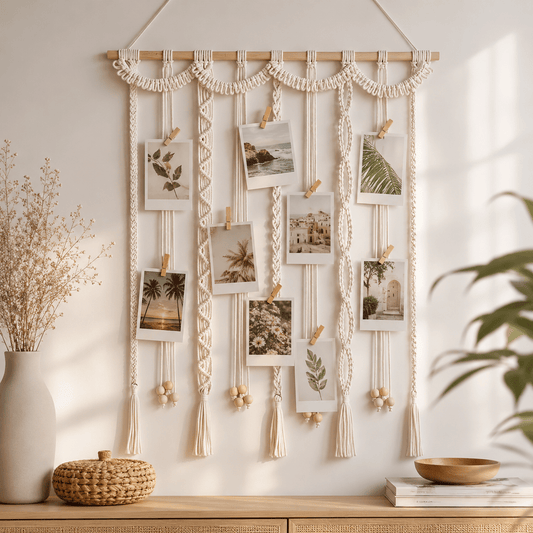
Freya - Macrame Woven Photo Display with 20 Clips
Regular price $23.99Regular price $23.99Unit price per -
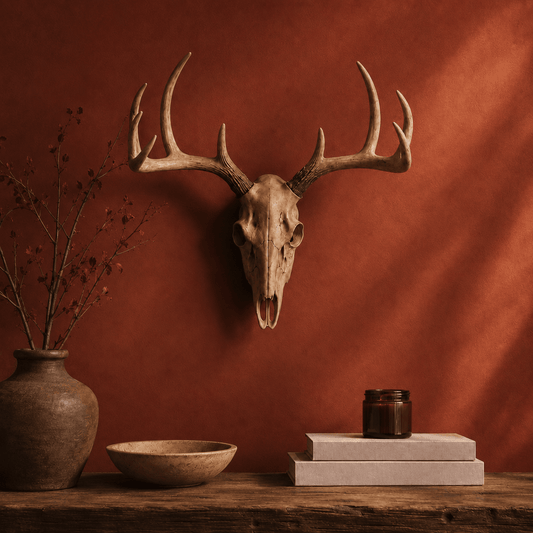
Elkwood - 3D Resin Deer Head Wall Sculpture
Regular price $59.99Regular price $59.99Unit price perSold out -
Marina - Jute-Wrapped Glass Vase
Regular price From $26.99Regular price From $26.99Unit price per -
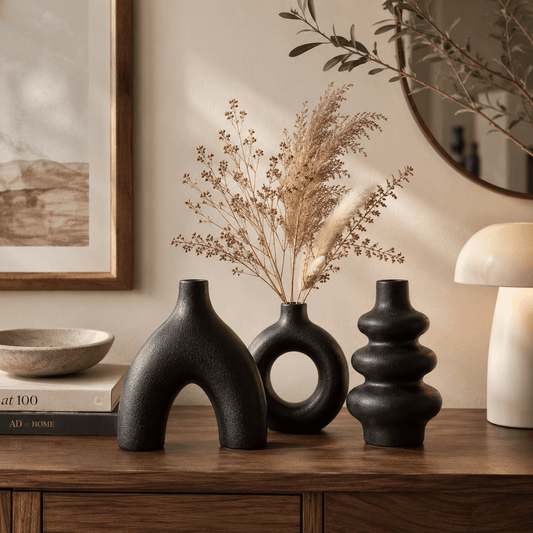
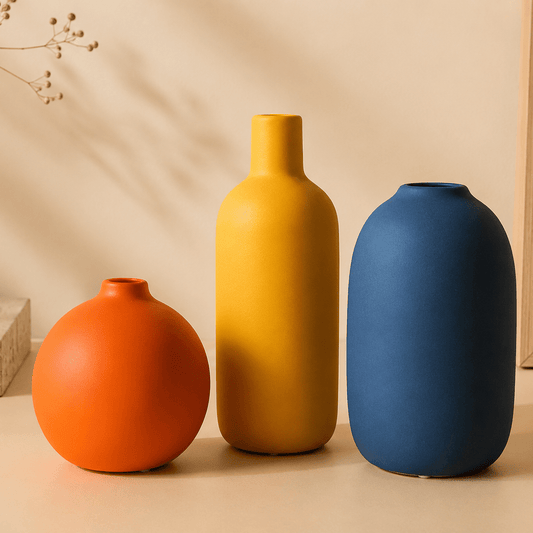
Sienna - Ceramic Vase Set
Regular price From $57.99Regular price From $57.99Unit price per -
Rosalie Bloom - Embroidered Floral Cushion Cover
Regular price From $24.99Regular price From $24.99Unit price per -
Hamsa Shelf - Mystical Crystal Wall Shelf
Regular price $36.99Regular price $36.99Unit price per -
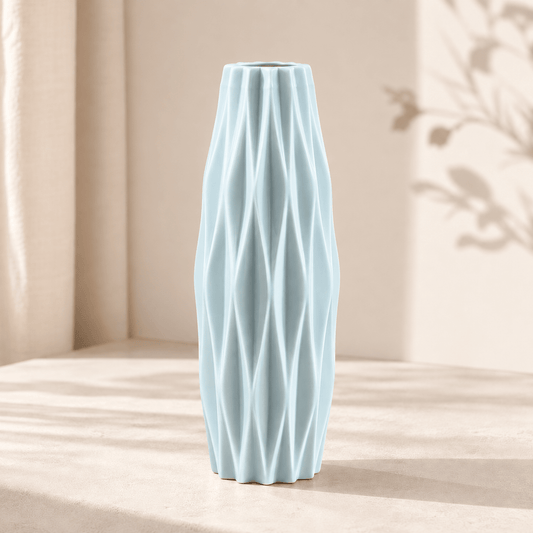
Facet - Diamond Pattern Faux Ceramic Vase
Regular price $14.95Regular price $14.95Unit price per -
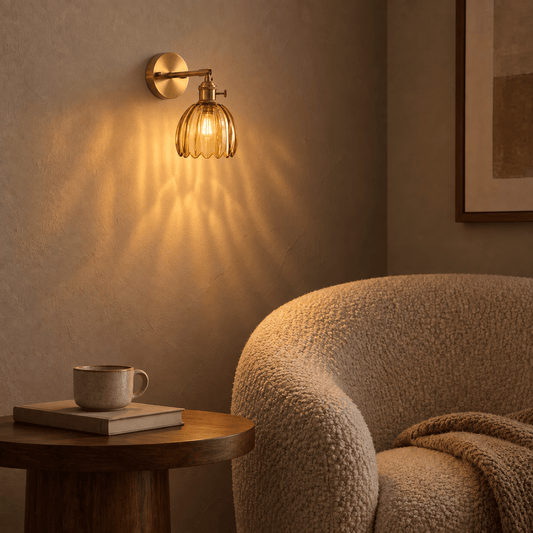
Petalia - Ribbed Glass Tulip Wall Sconce
Regular price $54.99Regular price $54.99Unit price per -
Solene - Globe Glass Table Lamp
Regular price $114.99Regular price $114.99Unit price per -
Pavo - Vintage Peacock Feather Pillow Cover
Regular price From $22.99Regular price From $22.99Unit price per -
Zuri - Moroccan Embroidered Tassel Pillow Cover
Regular price $33.99Regular price $33.99Unit price per -
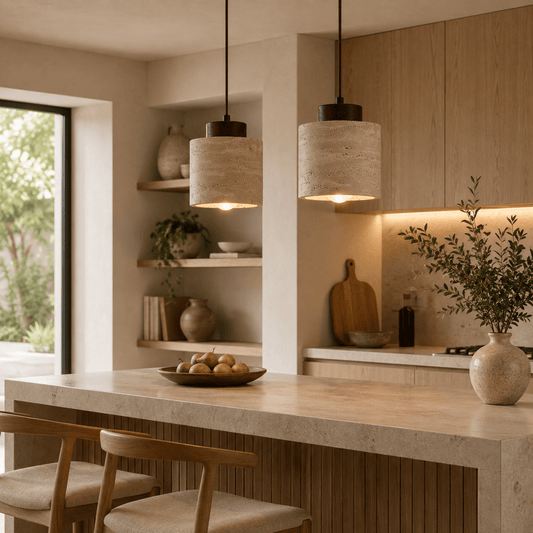
Zen Stone - Travertine Pendant Light
Regular price From $61.99Regular price From $61.99Unit price per -
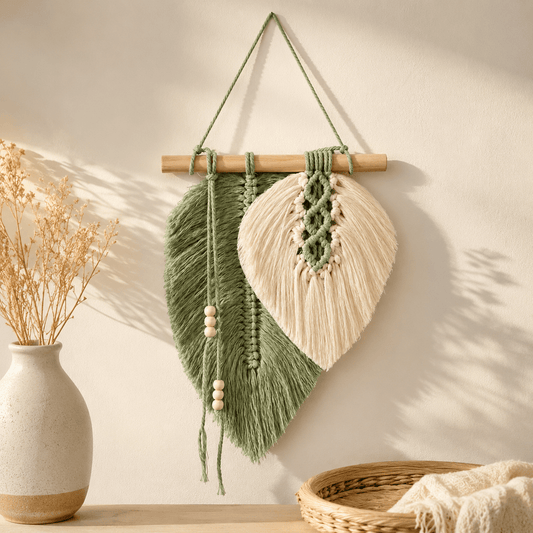
Willow Leaf - Macramé Leaf Wall Hanging
Regular price From $27.99Regular price From $27.99Unit price per -
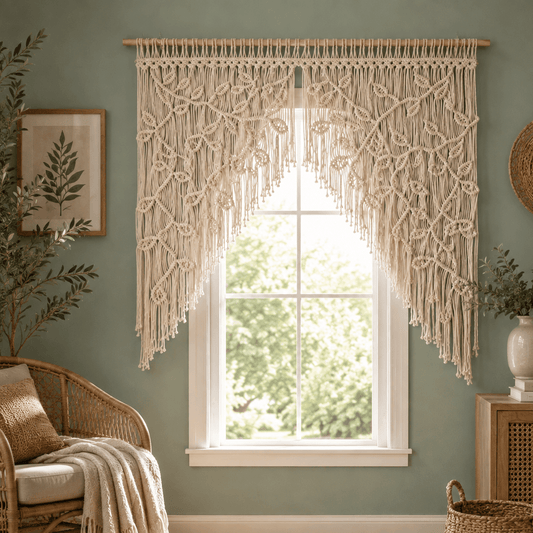
Ivy Vine - Boho Woven Tapestry Wall Hanging
Regular price From $72.99Regular price From $72.99Unit price per -
Dune Fringe – Textured Tufted Pillow Cover
Regular price $49.99Regular price $49.99Unit price perSold out -
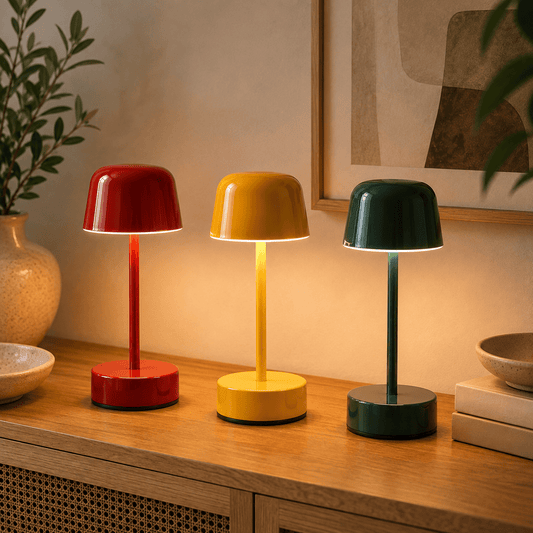
Vela - Cordless Rechargeable Mushroom Table Lamp
Regular price $49.99Regular price $49.99Unit price per -
Tidal - Coastal Tufted Pillow Cover
Regular price $25.99Regular price $25.99Unit price per -
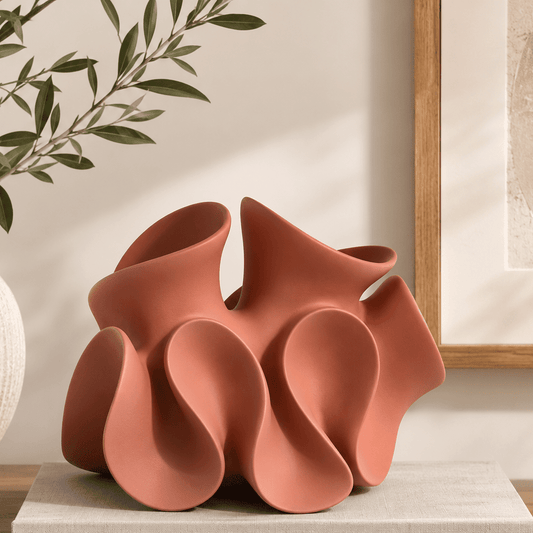
The Petal Flow - Abstract Resin Decorative Sculpture
Regular price $67.99Regular price $67.99Unit price per -
Solvi - Decorative Ceramic Vase
Regular price From $24.99Regular price From $24.99Unit price per -
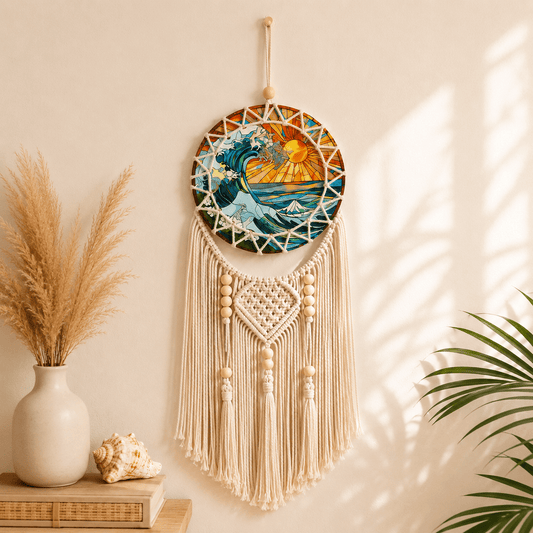
Solana - Coastal Macramé Sunset Wall Hanging
Regular price From $25.99Regular price From $25.99Unit price per -
Sakura - Bonsai LED Table Lamp
Regular price From $24.95Regular price From $24.95Unit price per -
Ripple - Set of 2 Wavy Cylinder Vases
Regular price From $25.99Regular price From $25.99Unit price per -
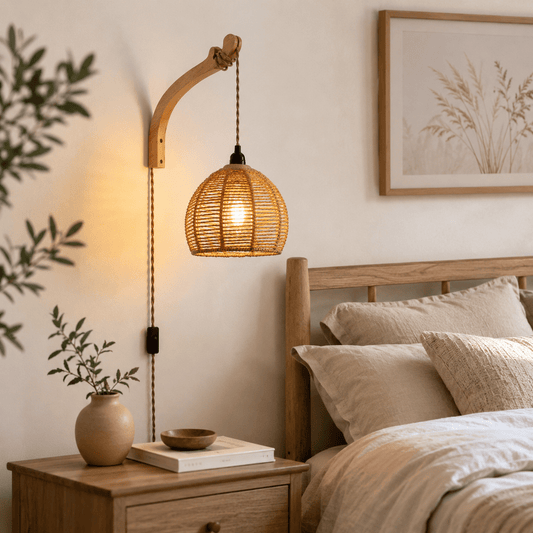
Rattan Glow - Boho Plug-In Wall Sconce
Regular price $69.99Regular price $69.99Unit price per -
Oslo - Nordic Wood Adjustable Desk Lamp
Regular price From $43.99Regular price From $43.99Unit price per





















Explore Related Collections
-

Soft Furnishings
Add comfort and visual warmth with our Soft Furnishings Collection. Featuring pillows,...
-

Decorative Accents
Complete your space with our Decorative Accents Collection, featuring sculptural objects, figurines,...


Frequently Asked Questions
Ideas & Inspiration
Modern Organic Decor: How to Create a Warm, Natural Home
Modern organic decor brings together the clean simplicity of contemporary design and the warmth of the natural world. The result is a home that feels polished without feeling formal, minimal wit...
Read more
How to Create a Cozy Home Without Making It Feel Cluttered
A cozy home should feel warm, inviting, and comfortable—not like every available surface has been filled with something. Creating that balance can be tricky. Add too little, and a room can feel cold or unfinished. Add too much, and the space can quickly become visually overwhelming.
Read more
How to Mix Nordic, Boho & Modern Decor Without Making Your Home Feel Random
Love Nordic, Boho, and modern decor? Learn how to combine these styles into a cohesive, warm, and effortlessly stylish home without making your space feel mismatched.
Read more