A cozy home should feel warm, inviting, and comfortable—not like every available surface has been filled with something.
Creating that balance can be tricky. Add too little, and a room can feel cold or unfinished. Add too much, and the space can quickly become visually overwhelming.
The secret is layering with intention.
You don't need more stuff to make your home feel cozy. You need the right combination of texture, lighting, natural elements, and carefully chosen accents. Here's how to create a space that feels warm and lived-in while still feeling calm and organized.
1. Start With a Calm Foundation
Before adding decorative pieces, look at the larger elements in your room. Furniture, rugs, curtains, and larger surfaces create the foundation for everything else. Keeping these elements relatively simple makes it much easier to layer in personality without creating visual clutter.
Warm neutrals are especially effective. Cream, beige, taupe, soft gray, natural wood, and muted greens create a relaxed backdrop that allows smaller accents to stand out. You don't need everything to match. Instead, look for colors and materials that naturally complement one another.
A calm foundation gives your decor room to breathe.
2. Layer Texture Instead of Adding More Objects
One of the easiest ways to make a room feel cozy is through texture. Instead of adding another decorative object to an empty surface, consider adding a chunky throw to a sofa, a textured cushion to a chair, or a woven rug beneath a coffee table.
Try combining:
- Soft cotton or linen
- Chunky knits
- Bouclé
- Woven fibers
- Jute
- Natural wood
- Ceramic
- Glass
- Matte and glossy finishes
The contrast between these materials creates depth without requiring a lot of additional decoration. A room can feel richly layered while remaining surprisingly simple.
3. Let Lighting Do Some of the Decorating
Lighting has a huge influence on how a room feels. A single bright overhead light can make even a beautifully decorated space feel harsh. Instead, create layers of light throughout the room.
Use a combination of:
- Ambient lighting for overall illumination.
- Task lighting for reading, working, or other activities.
- Accent lighting to highlight furniture, artwork, or architectural features.
Decorative table lamps are particularly useful because they provide warmth while also functioning as design pieces. A sculptural lamp can become a focal point on a console or side table without requiring several smaller accessories around it. And when the sun goes down, warm, softly diffused lighting can instantly make a room feel more intimate.
4. Create Small, Intentional Vignettes
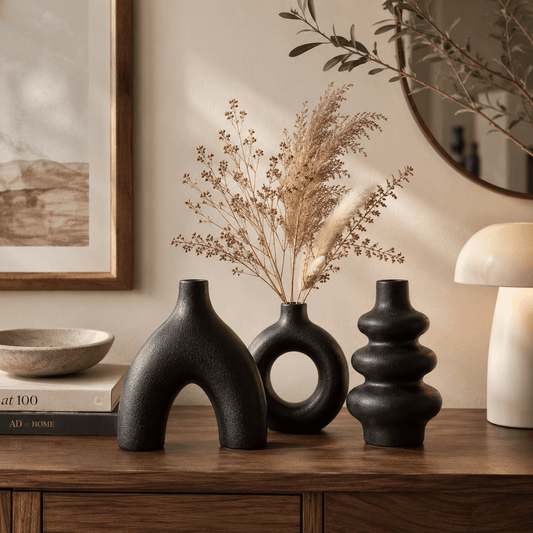
You don't need to decorate every surface. Instead, create a few small groupings that look intentional. For example, a console might have:
A sculptural lamp + two stacked books + a ceramic bowl
A coffee table might have:
A wooden tray + candle + small vase
A shelf might have:
A few books + one piece of artwork + a decorative object
Grouping objects together makes them feel purposeful rather than scattered. It also gives your eye places to rest.
The goal isn't empty surfaces. It's intentional surfaces.
5. Use the Rule of Three
When you're unsure how many objects to put together, the rule of three is an easy place to start. Try grouping three objects with different:
- Heights
- Shapes
- Textures
- Materials
For example, a tall vase, a shorter ceramic bowl, and a stack of books create more visual interest than three objects of similar height. The same principle works on coffee tables, shelves, nightstands, and consoles.
Once you've created your grouping, step back and look at it from across the room. If something feels unnecessary, take it away. Often, removing one thing makes the remaining pieces look better.

6. Bring Nature Into the Room
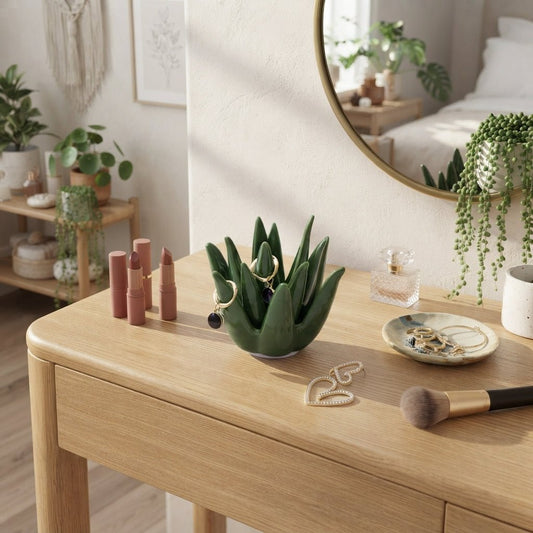
Plants and natural materials can make a space feel immediately warmer and more inviting. A large leafy plant can fill an empty corner without making it feel cluttered, while a small branch arrangement can add life to a console or dining table.
Natural materials work in a similar way. Think:
- Wood
- Rattan
- Jute
- Woven fibers
- Stone
- Ceramic
- Linen
These materials bring organic variation into a room without introducing lots of competing colors. They also work beautifully with both Nordic and modern interiors, helping clean spaces feel softer and more lived-in.
7. Choose Statement Pieces Over Lots of Small Decor
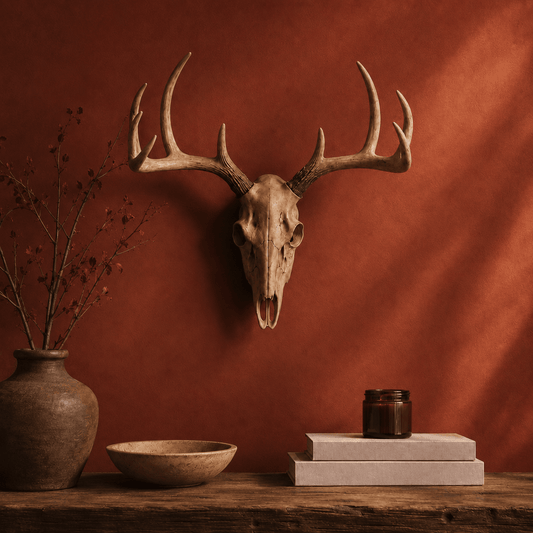
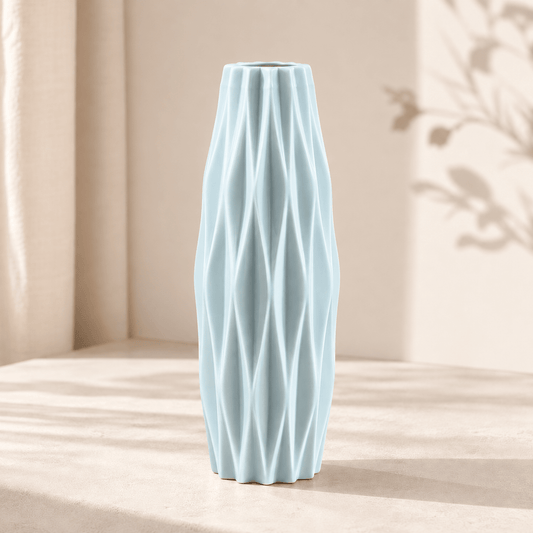
If you want your home to feel stylish without feeling crowded, invest in a few pieces that make an impression. A sculptural lamp, distinctive mirror, oversized vase, interesting piece of artwork, or statement chair can have far more impact than a collection of small decorative objects.
Think quality of visual impact rather than quantity.
One unusual piece can become a conversation starter and give a room personality while leaving the surrounding space relatively uncluttered. This is especially effective in smaller rooms where every surface matters.
8. Keep Some Negative Space
One of the most overlooked parts of decorating is knowing when to stop. Empty space isn't wasted space. It gives your furniture and accessories room to stand out and prevents your home from feeling visually busy.
If every wall has artwork, every shelf has objects, and every tabletop is decorated, nothing really feels special. Instead, leave some walls, shelves, and surfaces intentionally open.
Negative space is part of the design.
It creates balance and makes the things you do choose to display feel more important.
 9. Make Cozy Functional, Too
A cozy home shouldn't just look comfortable. It should actually be comfortable to live in.
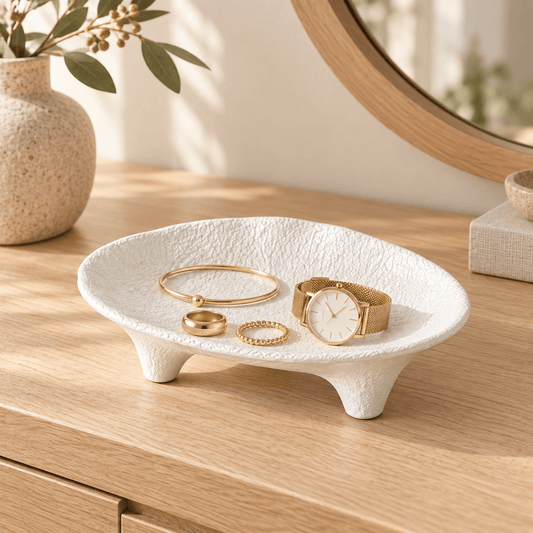
Choose decor that has a purpose whenever possible. A beautiful basket can hide blankets. A decorative tray can organize everyday items. A soft throw can make a chair more inviting. A side table can provide a place for your coffee and a book.
When practical items are attractive, you don't have to hide everything away to maintain a polished look.
This is one of the easiest ways to create a home that feels lived-in without looking messy.
10. Give Your Home Personality
Finally, don't confuse minimal clutter with a lack of personality. Your home shouldn't feel like a showroom.
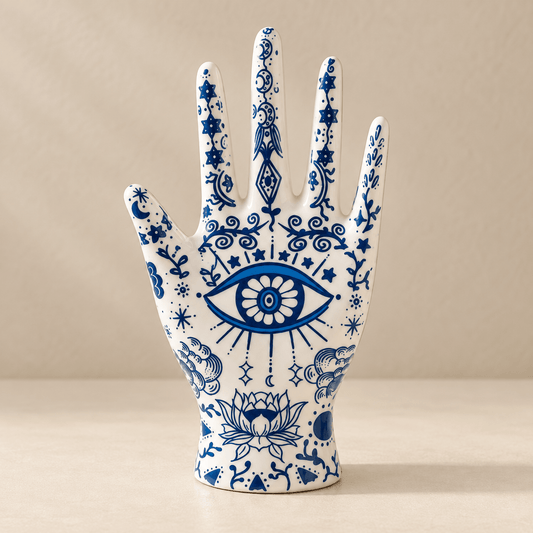
Display the books you actually enjoy. Keep a piece of artwork that means something to you. Add a vintage find, a favorite ceramic, a travel-inspired object, or something unexpected.
These personal touches are what make a space feel like your home.
The trick is simply to edit. You don't have to display everything you own. Choose the things you genuinely love and give them enough space to be appreciated.
Cozy Doesn't Mean Cluttered
Creating a cozy home isn't about filling your space with more things.
It's about creating layers of warmth and personality while maintaining visual breathing room. Start with a calm foundation. Add texture through textiles and natural materials. Use warm, layered lighting. Create intentional groupings rather than decorating every surface. Bring in greenery, choose a few statement pieces, and don't be afraid to leave some space empty.
The result is a home that feels warm, personal, and inviting—but still calm enough to relax in.
Because the best homes aren't the ones with the most stuff. They're the ones where everything has a reason to be there.
Create Your Cozy Space With Urban Alcove
From sculptural lighting and textured textiles to natural accents and statement decor, Urban Alcove brings together pieces designed to help you create a home that feels comfortable, personal, and effortlessly stylish.
Layer thoughtfully. Keep what you love. Make the space yours.
Continue Exploring
Find more inspiration and pieces for your space through Decorative Accents, Soft Furnishings, Lighting, and boutique bedroom guide.