


-
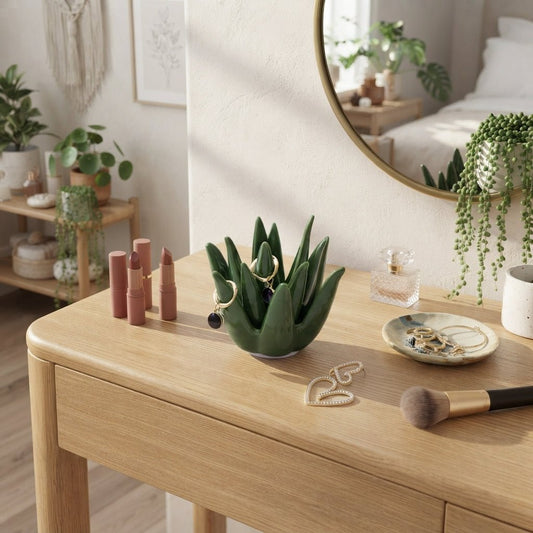
Agave Bloom - Ceramic Cactus Ring Holder
Regular price $28.99Regular price $28.99Unit price per -
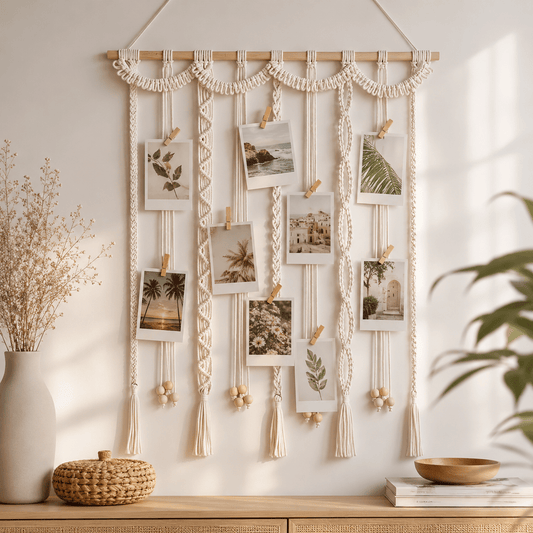
Freya - Macrame Woven Photo Display with 20 Clips
Regular price $23.99Regular price $23.99Unit price per -
Hamsa Shelf - Mystical Crystal Wall Shelf
Regular price $36.99Regular price $36.99Unit price per -
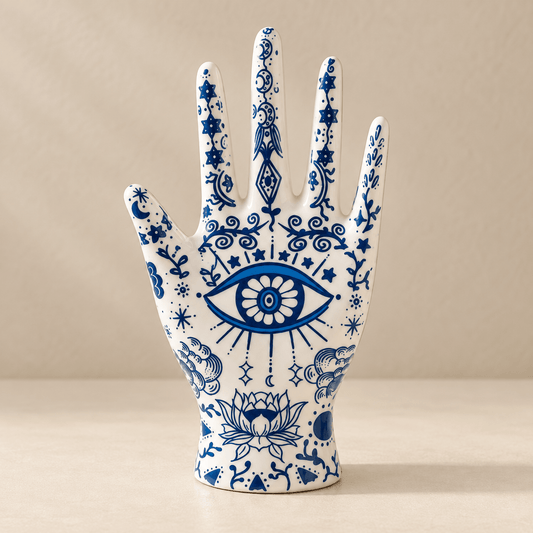
Amara - Hamsa Ceramic Jewelry Holder
Regular price From $34.99Regular price From $34.99Unit price per -
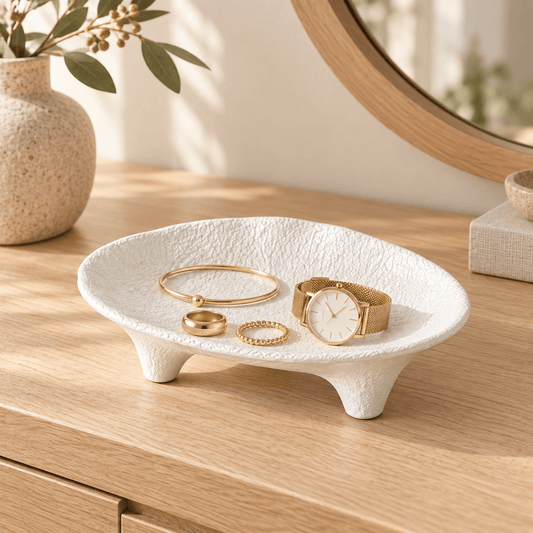
Tria - Three-Legged Ceramic Jewelry Tray
Regular price From $28.99Regular price From $28.99Unit price per -
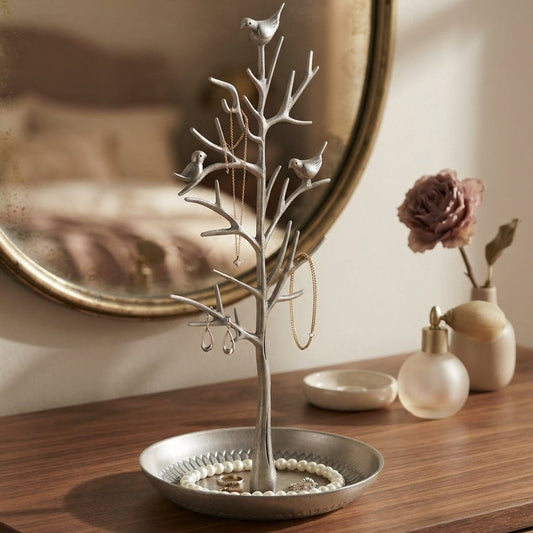
Rowan - Bird & Tree Jewelry Stand
Regular price From $27.99Regular price From $27.99Unit price per -
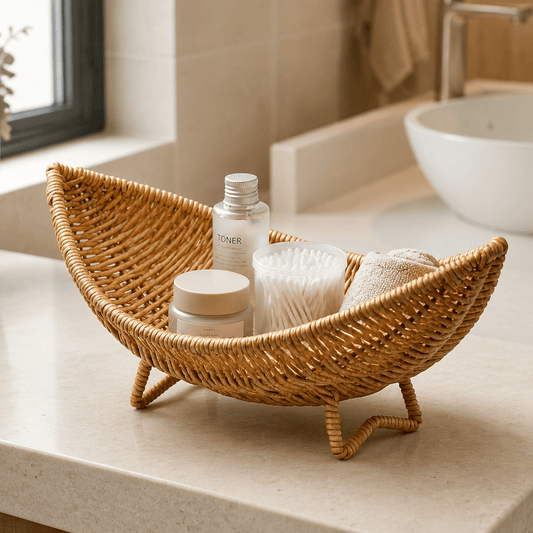
Riva - Woven-Look Countertop Organizer
Regular price $25.99Regular price $25.99Unit price per -
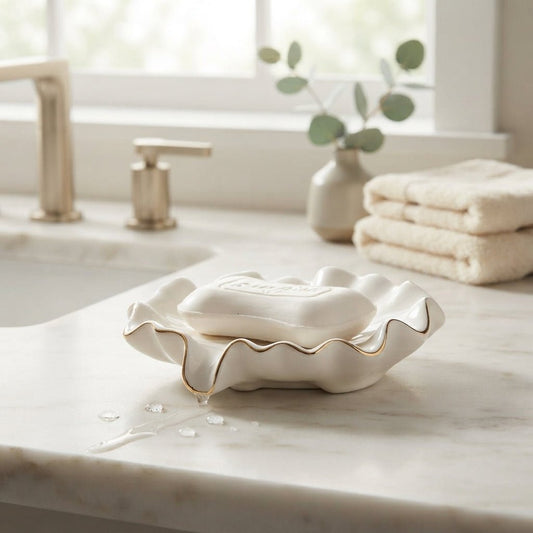
Pearl Shell - Gold Rim Ceramic Soap Dish
Regular price $22.99Regular price $22.99Unit price per -
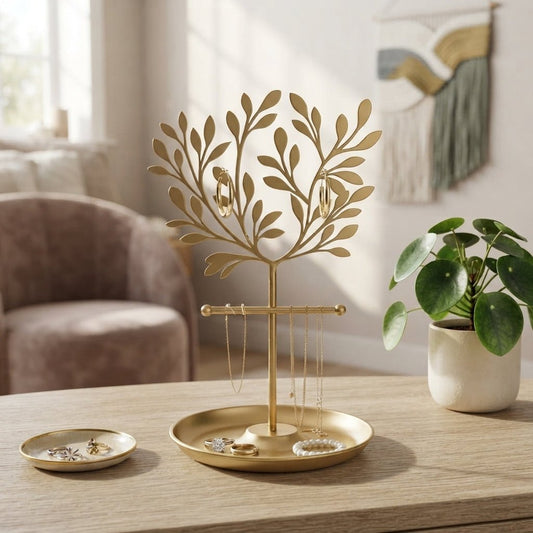
Olive Branch - Metal Jewelry Stand with Jewelry Tray
Regular price From $34.99Regular price From $34.99Unit price per -
Lunara - Celestial Crescent Jewelry Tray
Regular price $24.99Regular price $24.99Unit price per -
Luma - Boho Hanging Photo Display with Wood Bead
Regular price $20.99Regular price $20.99Unit price per -
Koa - Geometric Boho Pouf Cover
Regular price $52.99Regular price $52.99Unit price per -
Folia - Sculpted Wooden Leaf Serving Tray
Regular price From $34.99Regular price From $34.99Unit price per -
Elara a 2-Tier Boho Macramé Wall Shelf
Regular price $49.99Regular price $49.99Unit price per -
Birch - Solid Oak Wall Coat Rack
Regular price $44.99Regular price $44.99Unit price per -
Kohana - Woven-Rim Ceramic Accent Tray
Regular price $34.99Regular price $34.99Unit price per













Explore Related Collections
-

Home Office
Make your workspace feel as considered as the rest of your home...
-

Decorative Accents
Complete your space with our Decorative Accents Collection, featuring sculptural objects, figurines,...


Frequently Asked Questions
Ideas & Inspiration
How to Choose Storage & Organization for Every Room
Good storage is not measured by how many containers you own. It is measured by whether everyday items are easy to find, use, and put away. This guide helps you define the p...
Read more
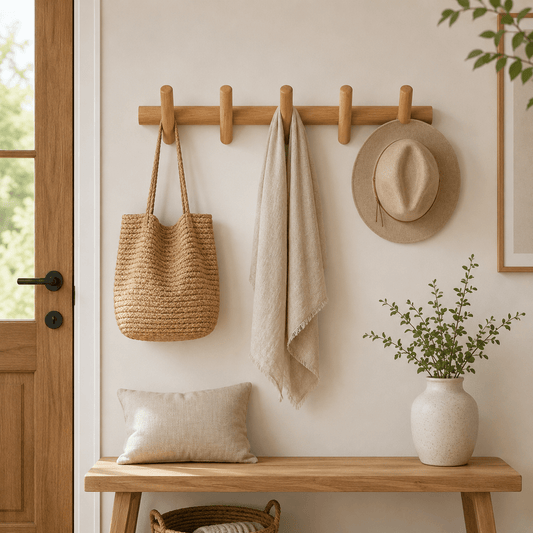
How to Create a Designer-Looking Entryway in a Small Space
Your entryway may be the smallest area in your home, but it sets the tone for everything that comes after it.
The good news? You don't need a grand foyer, a huge budget, or a perfectly sized console table to create an entryway that feels polished and intentional. With the right pieces, even a narrow hallway or tiny apartment entrance can feel welcoming, stylish, and surprisingly spacious.
Read more
Small Apartment Decorating Ideas That Make Your Home Look Designer
Creating a designer-inspired apartment isn't about spending more—it's about decorating with intention. A few thoughtful updates, layered textures, warm lighting, and carefully chosen statement pieces can completely transform the way your home feels.
Start with one or two of these ideas, and you'll be surprised how quickly your apartment begins to feel brighter, more spacious, and uniquely yours.
Read more