


-
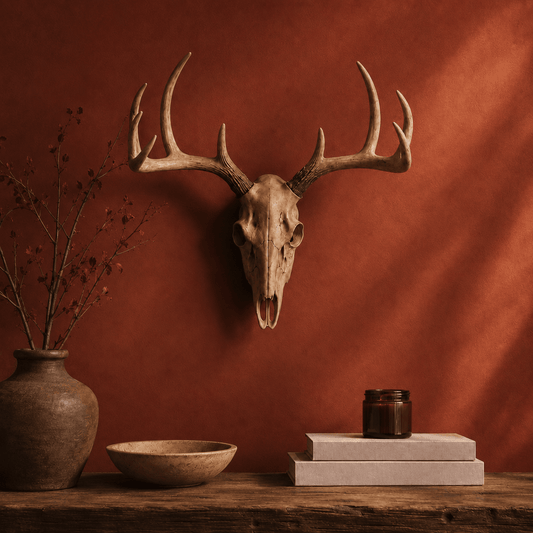
Elkwood - 3D Resin Deer Head Wall Sculpture
Regular price $59.99Regular price $59.99Unit price perSold out -
Marina - Jute-Wrapped Glass Vase
Regular price From $26.99Regular price From $26.99Unit price per -
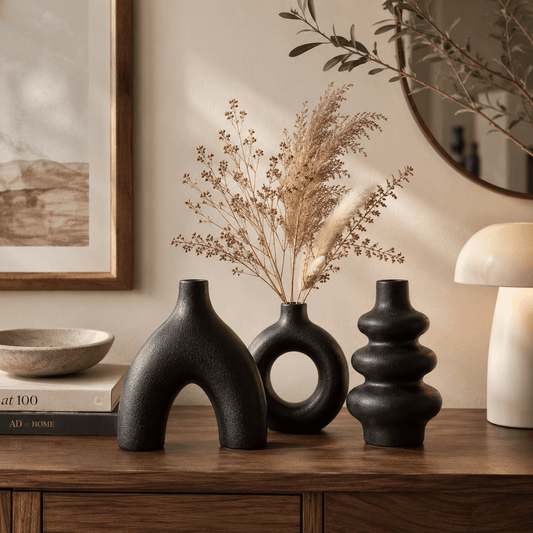
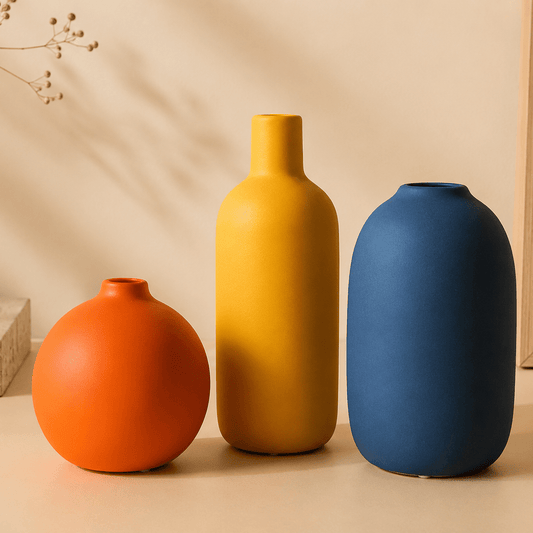
Sienna - Ceramic Vase Set
Regular price From $57.99Regular price From $57.99Unit price per -
Hamsa Shelf - Mystical Crystal Wall Shelf
Regular price $36.99Regular price $36.99Unit price per -
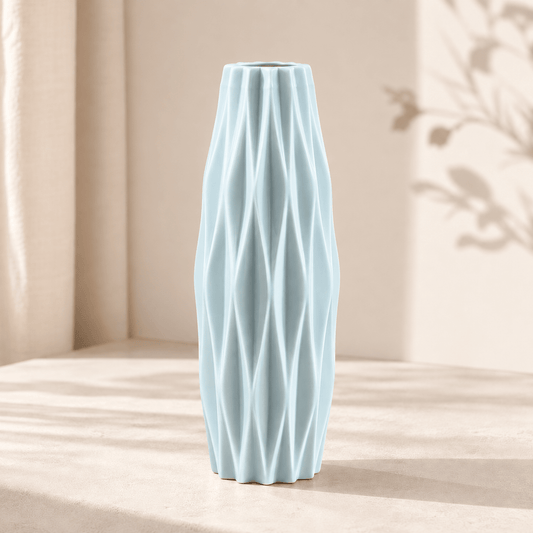
Facet - Diamond Pattern Faux Ceramic Vase
Regular price $14.95Regular price $14.95Unit price per -
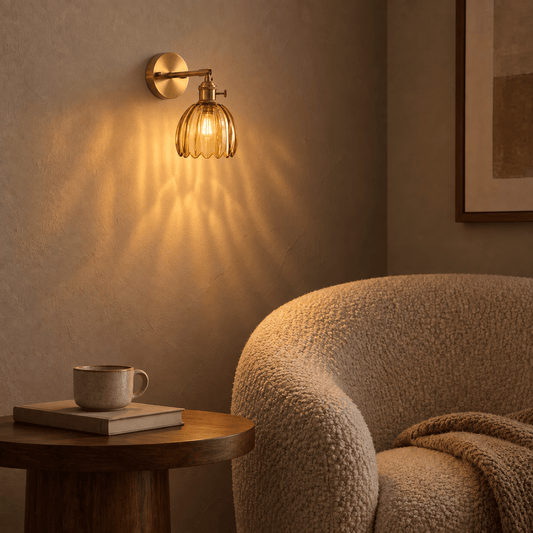
Petalia - Ribbed Glass Tulip Wall Sconce
Regular price $54.99Regular price $54.99Unit price per -
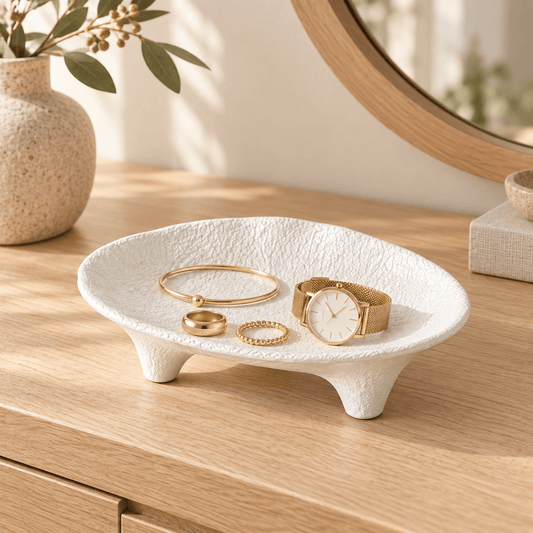
Tria - Three-Legged Ceramic Jewelry Tray
Regular price From $28.99Regular price From $28.99Unit price per -
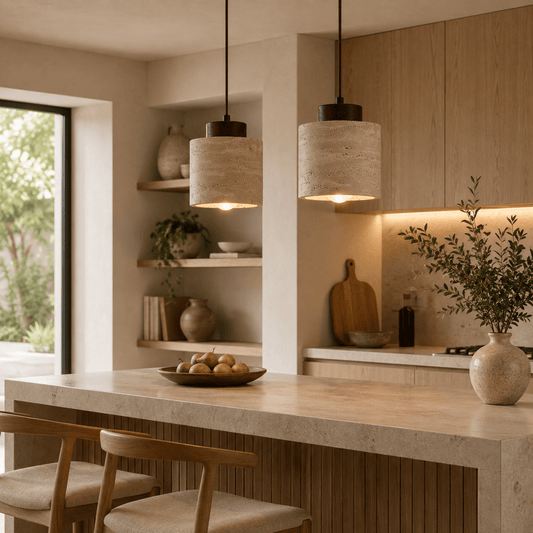
Zen Stone - Travertine Pendant Light
Regular price From $61.99Regular price From $61.99Unit price per -
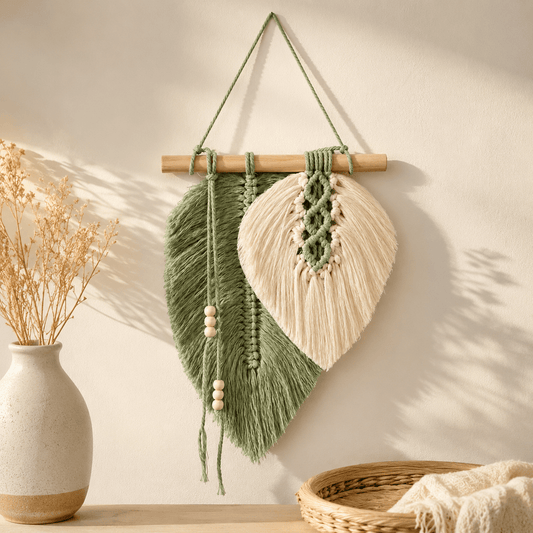
Willow Leaf - Macramé Leaf Wall Hanging
Regular price From $27.99Regular price From $27.99Unit price per -
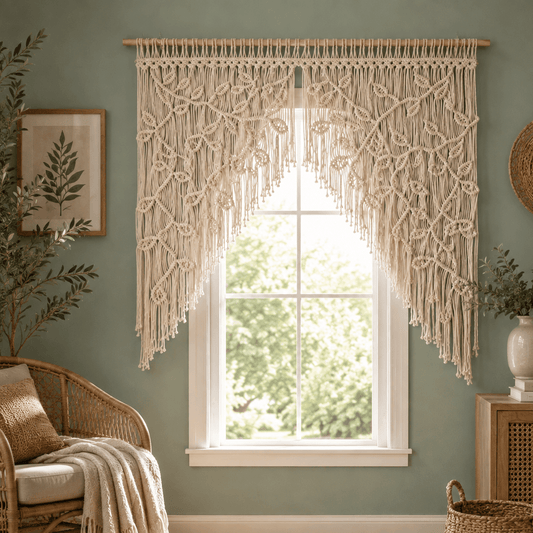
Ivy Vine - Boho Woven Tapestry Wall Hanging
Regular price From $72.99Regular price From $72.99Unit price per -
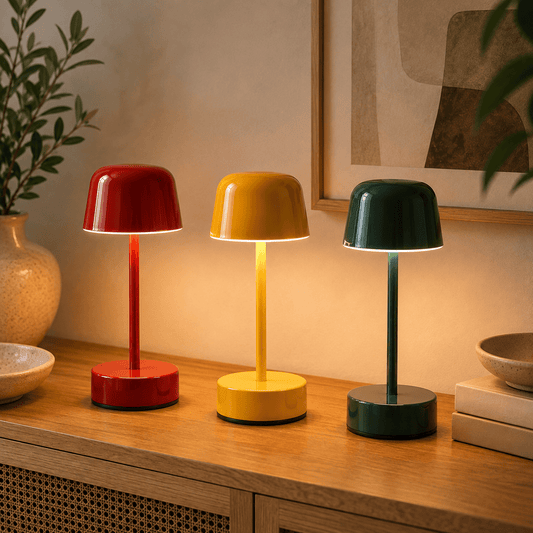
Vela - Cordless Rechargeable Mushroom Table Lamp
Regular price $49.99Regular price $49.99Unit price per -
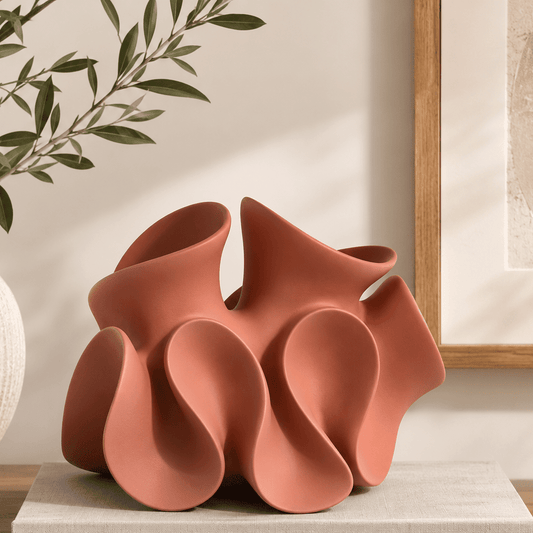
The Petal Flow - Abstract Resin Decorative Sculpture
Regular price $67.99Regular price $67.99Unit price per -
Solvi - Decorative Ceramic Vase
Regular price From $24.99Regular price From $24.99Unit price per -
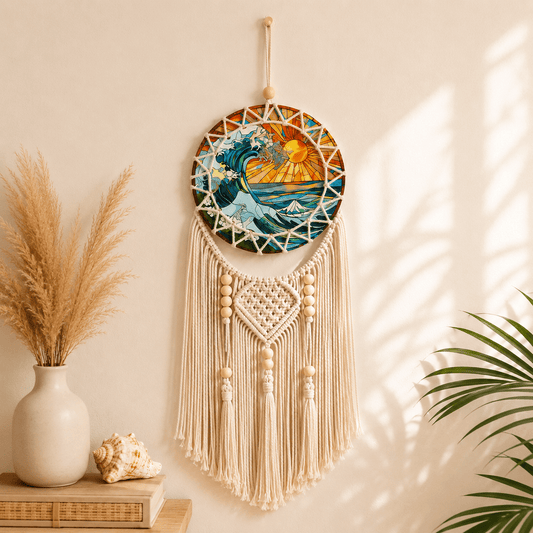
Solana - Coastal Macramé Sunset Wall Hanging
Regular price From $25.99Regular price From $25.99Unit price per -
Sakura - Bonsai LED Table Lamp
Regular price From $24.95Regular price From $24.95Unit price per -
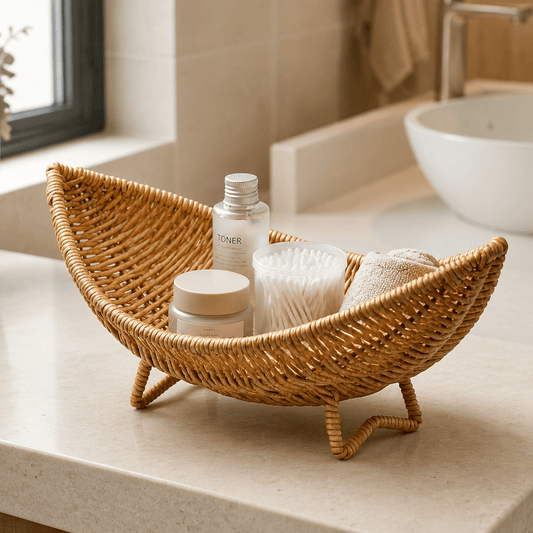
Riva - Woven-Look Countertop Organizer
Regular price $25.99Regular price $25.99Unit price per -
Ripple - Set of 2 Wavy Cylinder Vases
Regular price From $25.99Regular price From $25.99Unit price per -
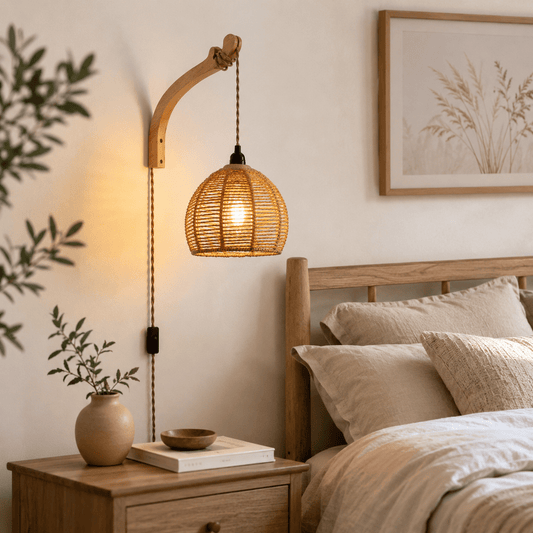
Rattan Glow - Boho Plug-In Wall Sconce
Regular price $69.99Regular price $69.99Unit price per -
Nazar - Boho Evil Eye Dream Catcher
Regular price $30.99Regular price $30.99Unit price per -
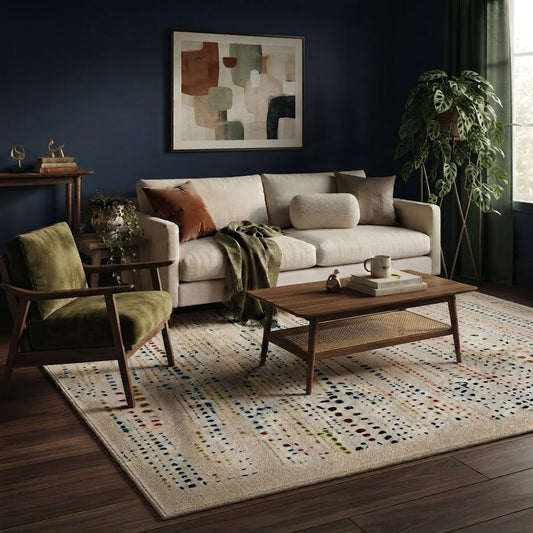
Miro - Abstract Transitional Area Rug
Regular price From $68.99Regular price From $68.99Unit price per -
Lunara - Celestial Crescent Jewelry Tray
Regular price $24.99Regular price $24.99Unit price per -
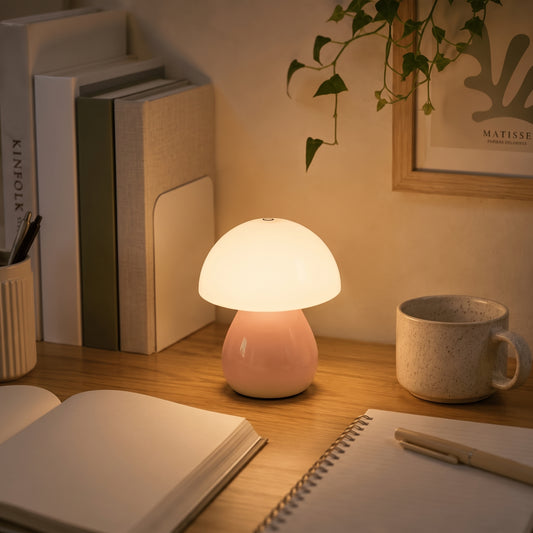
Luna - Mushroom Table Lamp
Regular price $27.99Regular price $27.99Unit price per -
Lumi - Modern Mushroom Table Lamp
Regular price $137.99Regular price $137.99Unit price per -
Luma Arc - Modern Dimmable LED Table Lamp
Regular price $33.99Regular price $33.99Unit price per

























Measure the path before the pieces
Create a purposeful drop zone
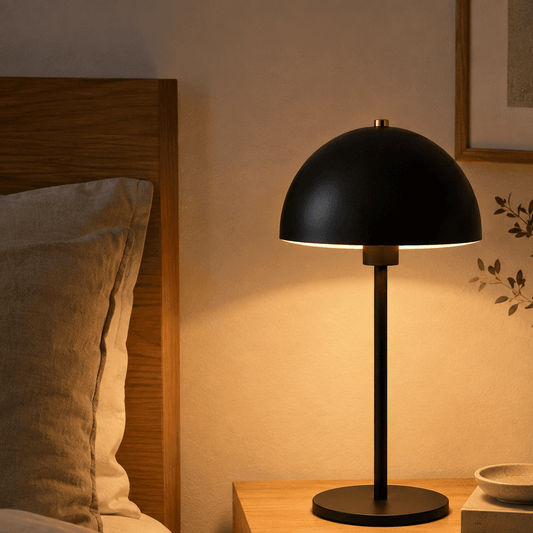
Use lighting to make arrival feel inviting
Add character with an edited final layer

Explore Related Collections
-

Storage & Organization
Bring order to your space with our Storage & Organization Collection. Explore...
-

Wall Decor
Transform empty walls into meaningful focal points with our Wall Decor Collection....
-

Decorative Accents
Complete your space with our Decorative Accents Collection, featuring sculptural objects, figurines,...


Frequently Asked Questions
Ideas & Inspiration
How to Create a Designer-Looking Entryway in a Small Space
Your entryway may be the smallest area in your home, but it sets the tone for everything that comes after it.
The good news? You don't need a grand foyer, a huge budget, or a perfectly si...
Read more
The Art of the Accent: How to Style Small Pieces That Make a Big Difference
A room doesn’t need more furniture to feel finished. Sometimes, it just needs the right accent.
Vases, sculptures, small plants, decorative bowls, wall hangings, and other carefully chosen pieces can add personality, texture, color, and warmth without overwhelming your space. The trick is knowing what to choose, where to place it, and when to stop.
Read more
How to Create a Cozy Home Without Making It Feel Cluttered
A cozy home should feel warm, inviting, and comfortable—not like every available surface has been filled with something. Creating that balance can be tricky. Add too little, and a room can feel cold or unfinished. Add too much, and the space can quickly become visually overwhelming.
Read more