


-
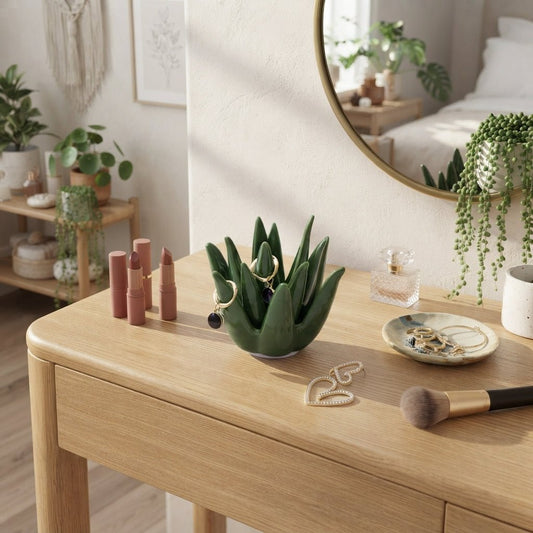
Agave Bloom - Ceramic Cactus Ring Holder
Regular price $28.99Regular price $28.99Unit price per -
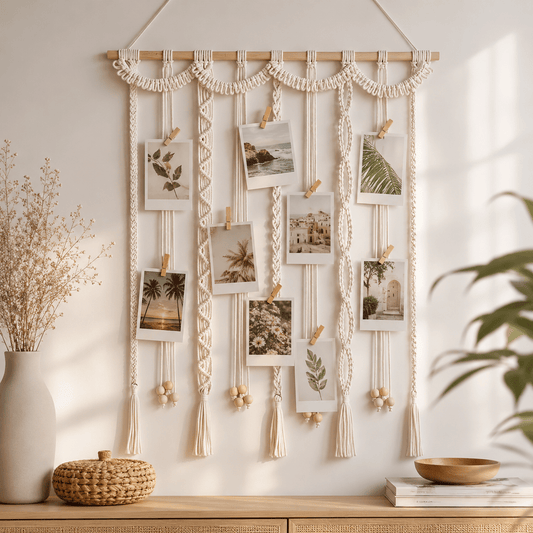
Freya - Macrame Woven Photo Display with 20 Clips
Regular price $23.99Regular price $23.99Unit price per -
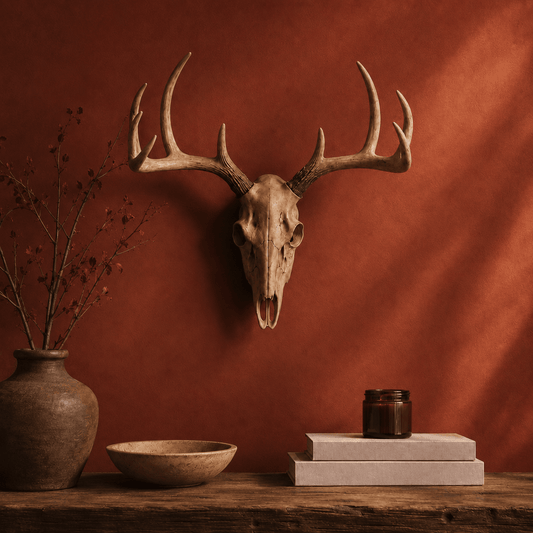
Elkwood - 3D Resin Deer Head Wall Sculpture
Regular price $59.99Regular price $59.99Unit price perSold out -
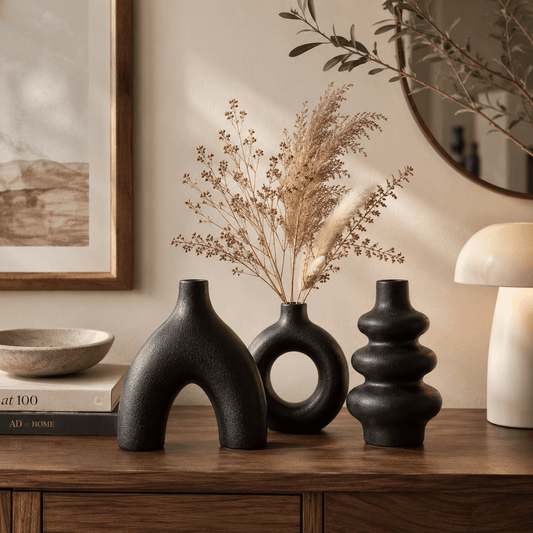
Sienna - Ceramic Vase Set
Regular price From $57.99Regular price From $57.99Unit price per -
Hamsa Shelf - Mystical Crystal Wall Shelf
Regular price $36.99Regular price $36.99Unit price per -
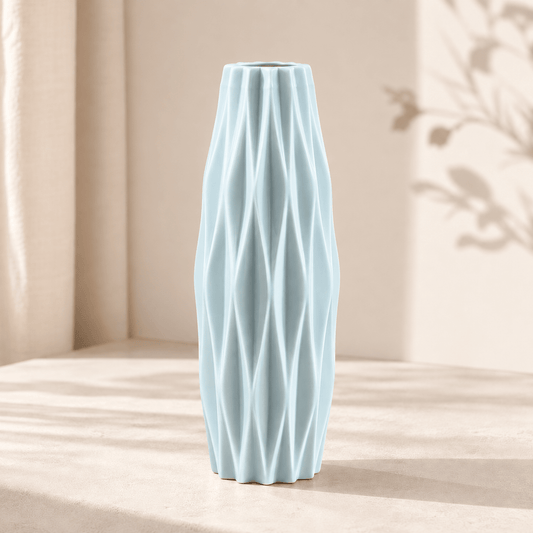
Facet - Diamond Pattern Faux Ceramic Vase
Regular price $14.95Regular price $14.95Unit price per -
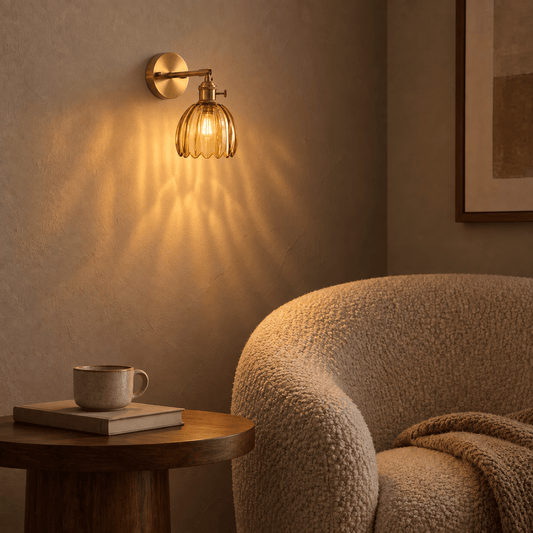
Petalia - Ribbed Glass Tulip Wall Sconce
Regular price $54.99Regular price $54.99Unit price per -
Solene - Globe Glass Table Lamp
Regular price $114.99Regular price $114.99Unit price per -
Zuri - Moroccan Embroidered Tassel Pillow Cover
Regular price $33.99Regular price $33.99Unit price per -
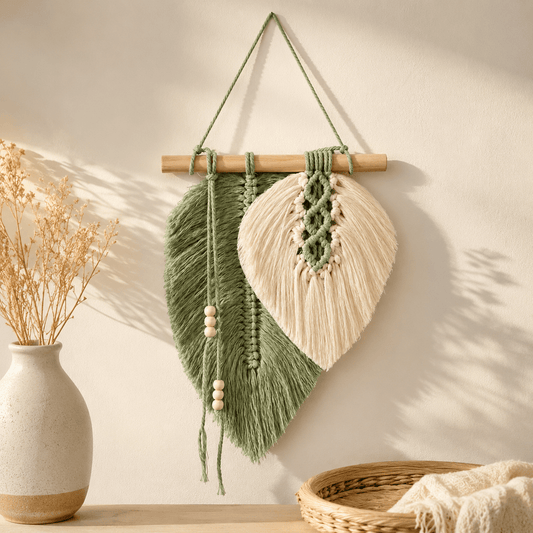
Willow Leaf - Macramé Leaf Wall Hanging
Regular price From $27.99Regular price From $27.99Unit price per -
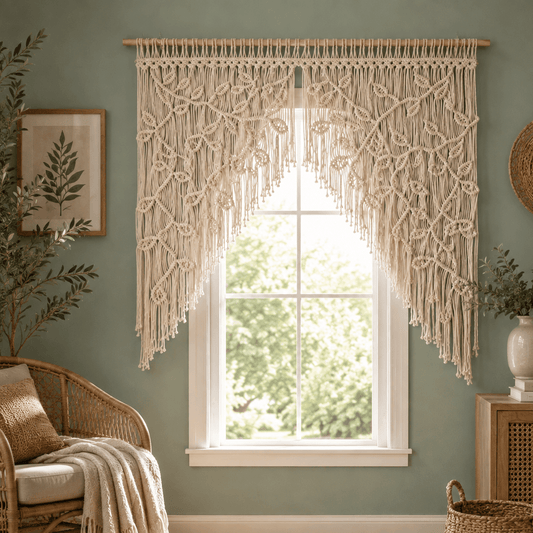
Ivy Vine - Boho Woven Tapestry Wall Hanging
Regular price From $72.99Regular price From $72.99Unit price per -
Dune Fringe – Textured Tufted Pillow Cover
Regular price $49.99Regular price $49.99Unit price perSold out -
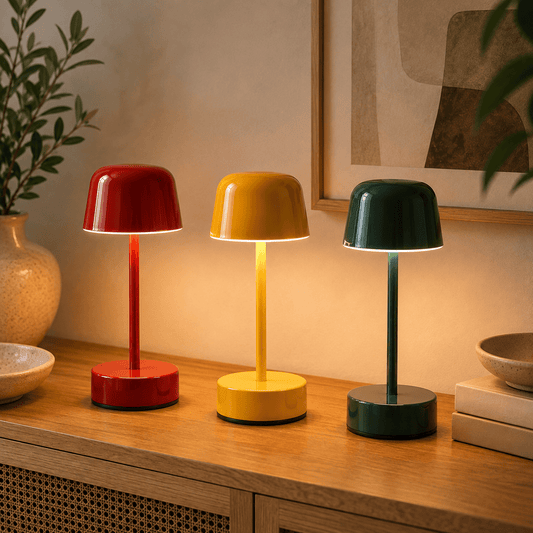
Vela - Cordless Rechargeable Mushroom Table Lamp
Regular price $49.99Regular price $49.99Unit price per -
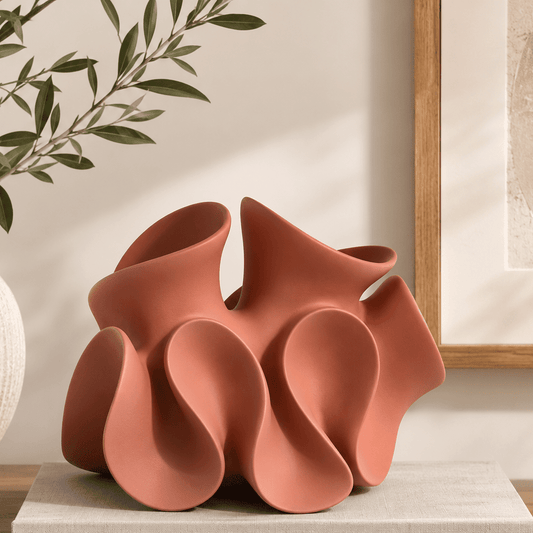
The Petal Flow - Abstract Resin Decorative Sculpture
Regular price $67.99Regular price $67.99Unit price per -
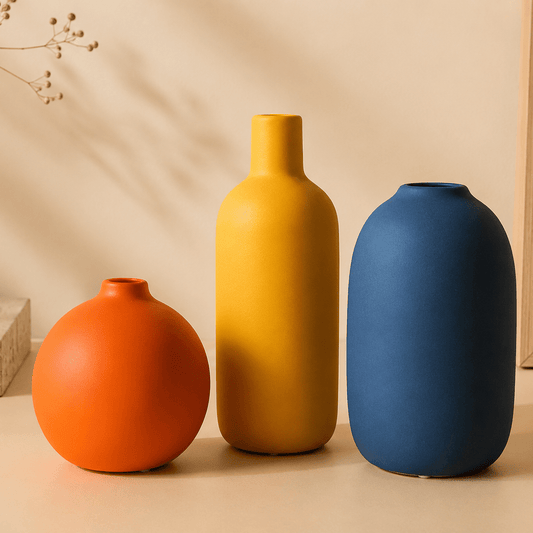
Solvi - Decorative Ceramic Vase
Regular price From $24.99Regular price From $24.99Unit price per -
Sakura - Bonsai LED Table Lamp
Regular price From $24.95Regular price From $24.95Unit price per -
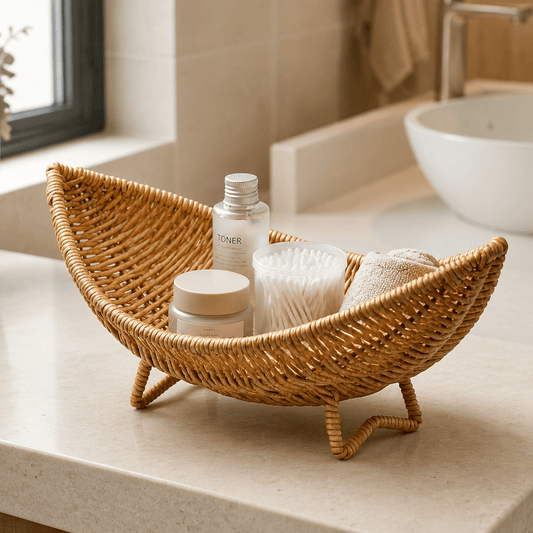
Riva - Woven-Look Countertop Organizer
Regular price $25.99Regular price $25.99Unit price per -
Ripple - Set of 2 Wavy Cylinder Vases
Regular price From $25.99Regular price From $25.99Unit price per -
Oslo - Nordic Wood Adjustable Desk Lamp
Regular price From $43.99Regular price From $43.99Unit price per -
Orbit Ball - Modern Nordic Alarm Clock
Regular price $34.99Regular price $34.99Unit price per -
Noma - Tufted Square Floor Cushion
Regular price From $57.99Regular price From $57.99Unit price per -
Nazar - Boho Evil Eye Dream Catcher
Regular price $30.99Regular price $30.99Unit price per -
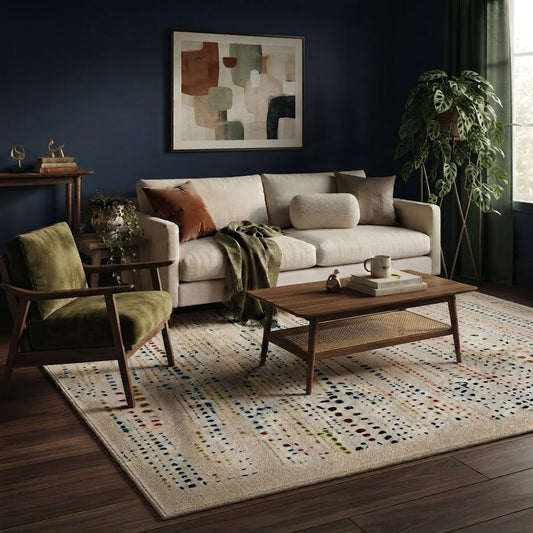
Miro - Abstract Transitional Area Rug
Regular price From $68.99Regular price From $68.99Unit price per -
Mira - Colorful Boho Round Floor Cushion
Regular price From $32.99Regular price From $32.99Unit price per




















Plan around the work you do
Choose task lighting with control
Organize what stays visible
Add comfort without losing focus

Explore Related Collections
-

Storage & Organization
Bring order to your space with our Storage & Organization Collection. Explore...
-

Wall Decor
Transform empty walls into meaningful focal points with our Wall Decor Collection....


Frequently Asked Questions
Ideas & Inspiration
How to Create a Calm Nordic-Inspired Room
A Nordic-inspired room feels calm, bright, and comfortable without feeling bare. The style combines useful pieces, clean lines, natural materials, and soft warmth—an especially effective approac...
Read more
How to Create a Cozy Home Without Making It Feel Cluttered
A cozy home should feel warm, inviting, and comfortable—not like every available surface has been filled with something. Creating that balance can be tricky. Add too little, and a room can feel cold or unfinished. Add too much, and the space can quickly become visually overwhelming.
Read more
How to Make Your Home Look Designer on a Budget
There’s a certain magic to a home that looks effortlessly put together. The colors work. The lighting feels warm. Every piece seems to have a purpose, yet nothing feels overly decorated.
And while it’s easy to assume that kind of space requires an equally impressive budget, it really doesn’t.
Read more