There’s a certain magic to a home that looks effortlessly put together. The colors work. The lighting feels warm. Every piece seems to have a purpose, yet nothing feels overly decorated.
And while it’s easy to assume that kind of space requires an equally impressive budget, it really doesn’t.
Creating a beautiful home is less about how much you spend and more about how you choose, combine, and style what you have.
At Urban Alcove, we believe great design should feel accessible. Whether you’re decorating a dorm, first apartment, rental, or simply refreshing a room you’ve lived in for years, a few thoughtful choices can make an enormous difference.
Here are some of the ways to create a more elevated, designer-inspired space without a designer-sized budget.
1. Start With a Color Palette
One of the easiest ways to make a room feel more expensive is to make it feel intentional.
That doesn't mean everything needs to match. In fact, perfectly matching furniture and accessories can sometimes make a room feel more like a showroom than a home. Instead, choose a simple palette of three to five complementary colors.
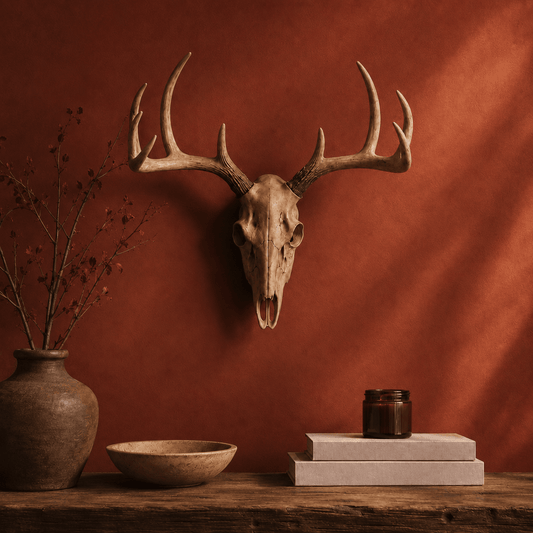
For a Nordic-inspired look, try warm white, beige, light oak, and muted sage. For something more Bohemian, introduce terracotta, warm brown, cream, or dusty green. If your existing furniture is neutral, you can bring personality in through textiles and accessories.
The key is repetition. Let the same tones appear in different places throughout the room so everything feels connected.
Design tip: When you're unsure what color to add, look to nature. Earthy greens, warm neutrals, sandy beige, and natural wood tones are incredibly easy to layer.
 2. Mix Textures, Not Just Colors
A room can have a beautiful color palette and still feel flat. The secret is texture.
Think about combining smooth ceramic with woven fibers, soft textiles with natural wood, matte finishes with subtle shine, and structured furniture with something softer nearby.
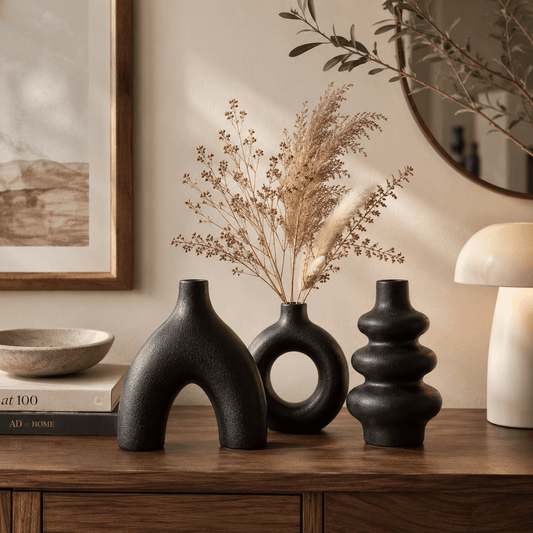
A textured throw over a sofa. A woven rug beneath a coffee table. A tufted pillow against a clean-lined chair. A ceramic accent sitting on a wooden surface. These small contrasts create visual depth without requiring expensive furniture.
This is especially effective when decorating with neutral colors. A room filled with cream, beige, and natural wood can feel incredibly sophisticated when the textures are layered correctly.
3. Choose Fewer, Larger Pieces
Here's a decorating trick that can completely change the way a room feels:
Stop filling every empty space.
A collection of lots of tiny accessories can actually make a room feel less expensive because the eye has nowhere to rest. Instead, consider choosing a few pieces with more visual presence.
An oversized mirror can become a focal point. A large wall hanging can anchor an otherwise empty wall. A substantial floor pillow can make a seating area feel intentional. A sculptural decorative piece can have more impact than five smaller objects.
This doesn't necessarily mean spending more. It means giving your best pieces room to breathe.
4. Upgrade Your Lighting
Lighting is one of the most overlooked elements of home design—and one of the most powerful. A basic room with beautiful lighting can feel warm and sophisticated. A beautifully decorated room with harsh overhead lighting can feel completely different.
Whenever possible, create layers of light.
Use your main ceiling light for general illumination, then add table lamps, floor lamps, or smaller accent lights to create warmer pools of light around the room.
A sculptural table lamp can also function as decor even when it's switched off.
Natural materials such as woven bamboo, rattan, and textured shades are particularly effective for creating that relaxed Nordic-Boho atmosphere.
The goal isn't simply to make a room brighter. It's to make it feel better.
 5. Let Mirrors Do Some of the Work
Mirrors are one of the best decorating shortcuts for smaller spaces. Placed correctly, a mirror can reflect natural light, create the impression of more space, and give an otherwise plain wall a strong focal point.
A full-length mirror leaning against a wall can also make a bedroom or entryway feel more finished without requiring additional furniture.
Look for frames that complement your existing palette. A warm wood finish can soften a modern room, while a darker or metallic frame can add contrast. And don't automatically put every mirror flat against the wall.
Sometimes a slightly relaxed, leaning placement creates a more editorial look.
6. Bring in Natural Materials
There’s a reason natural materials appear so often in high-end interiors.
Wood, jute, rattan, bamboo, cotton, linen, and woven fibers bring warmth and character to a space. They also pair beautifully with modern furniture.
For example, a simple contemporary sofa can feel much more inviting when paired with a natural woven rug and textured cushions. A minimalist bedroom becomes warmer with a wooden accent, woven basket, or soft textile.
Natural materials don't need to dominate the room. Often, just a few carefully chosen pieces are enough. This is one of the foundations of the Urban Alcove look: clean lines balanced with warmth, texture, and personality.
7. Style Small Areas Instead of Decorating Everything
You don't need to completely redecorate an entire room to make it feel new.
Instead, identify a few areas that naturally attract attention.
Your coffee table.
A bedside table.
An entryway.
A bookshelf.
An empty corner.
A console or dresser.
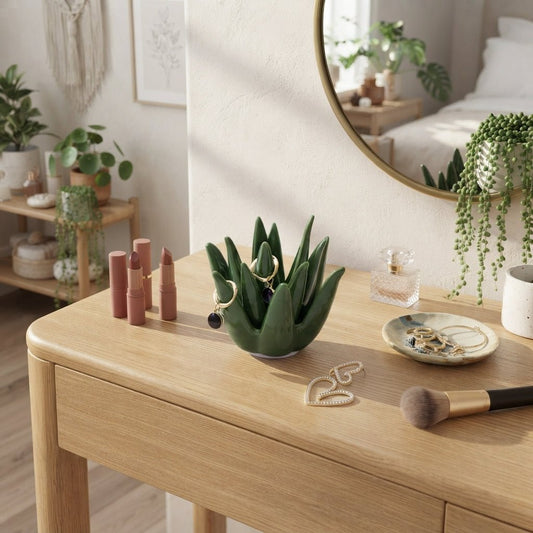
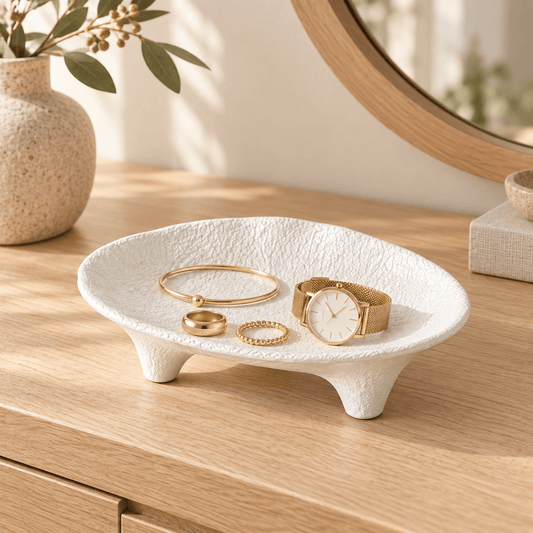
Then create a small, intentional arrangement. Try combining three elements with different heights and textures—for example, a small ceramic object, a stack of books, and a sculptural accent.
This creates a visual moment without turning the room into a collection of decorations. And when an arrangement starts feeling cluttered, remove one thing.
Good styling is often about editing rather than adding.
 8. Don't Ignore the Walls
Blank walls are one of the biggest missed opportunities in a room. You don't necessarily need an expensive gallery wall or custom artwork. One large, interesting piece can often have a greater impact.
A woven tapestry can introduce softness and pattern. A sculptural wall accent can add dimension. A large mirror can become the room's focal point.
The trick is to think about the wall as part of the overall composition rather than something that needs to be filled.
If your furniture is visually busy, keep the wall treatment simple.
If your furniture is minimal, the wall can become the place where you introduce more personality.
9. Make Your Bed Look Like a Boutique Hotel
Your bedroom doesn't need luxury bedding to feel luxurious. Start with a simple foundation, then layer.
Use pillows of different sizes. Add a textured throw across the end of the bed. Keep the color palette restrained and introduce one or two subtle patterns rather than several competing ones.
The result should feel inviting rather than overly styled. And don't underestimate the impact of making the bed every day.
It sounds simple, but a beautifully arranged bed can make an entire bedroom feel more finished.
10. Edit Your Space
Perhaps the most important designer trick isn't something you buy at all. It's knowing what to remove. Walk around your room and ask yourself:
Does this piece add something?
Maybe it's functional. Maybe it's beautiful. Maybe it has sentimental value. Maybe it simply makes you happy. But if something doesn't serve a purpose and doesn't contribute to the overall feel of the room, consider moving it somewhere else.
A more expensive-looking home isn't necessarily one with more things. It's one where the things that are there feel intentional.
 The Urban Alcove Approach
Creating a stylish home on a budget isn't about trying to make inexpensive things look expensive. It's about understanding what makes a space feel good in the first place.
A thoughtful color palette. Layered textures. Warm lighting. Natural materials. Interesting shapes. A few statement pieces. And enough breathing room for everything to work together.
You don't need to replace everything you own.
Sometimes a new lamp changes the atmosphere. A rug defines a seating area. A mirror transforms a wall. A few textured pillows make an old sofa feel completely different.
Great style isn't about the price tag. It's about the choices you make.
And that's the idea behind Urban Alcove: creating spaces that feel modern, personal, and beautifully put together—without requiring a designer budget.
Because your home should reflect your style.
Not your spending limit.
Continue Exploring
Find more inspiration and pieces for your space through Lighting, Wall Decor, and boutique bedroom guide.