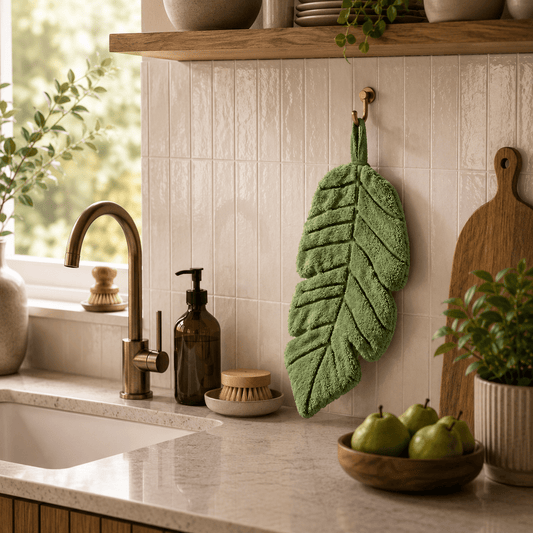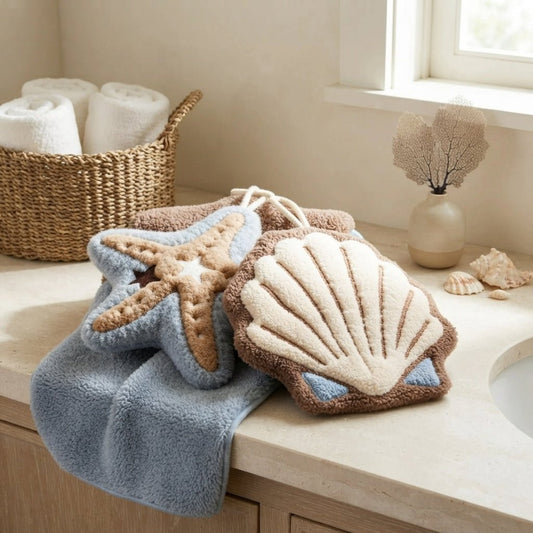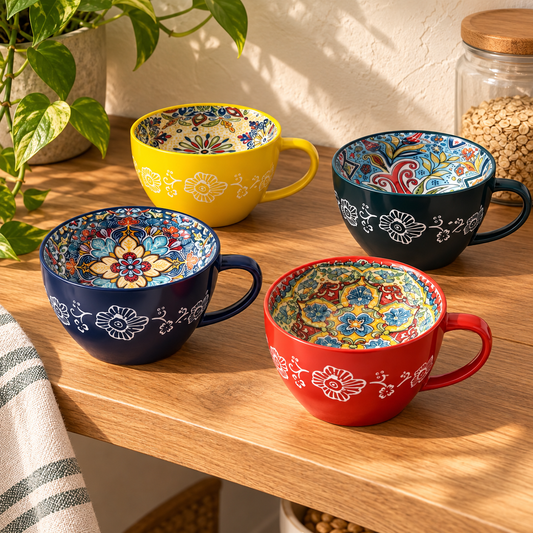


Table textiles can make an ordinary meal feel inviting while helping a setting work more comfortably. A soft napkin, a flat placemat and a quiet repeat of color often do more than another decorative object. The best choices fit your plates, table and washing routine. Start with the everyday job, then choose fabrics and finishes you will enjoy using rather than saving for a special occasion.
Choose the Pieces Your Table Actually Needs
Separate the jobs before choosing a matching set. A napkin is for the person using the setting. A placemat defines an area for a plate and, depending on its size, nearby cutlery or a glass. A runner occupies the center or another strip of the surface. These pieces can work together, but you do not need all three at every meal.
Look at an ordinary breakfast or dinner on your table. Is there enough room for each plate? Would a cloth napkin be more useful than another layer beneath it? Would adding a runner reduce serving space? Choose the smallest useful change first. A compact table can feel more considered with two well-fitting placemats and simple napkins than with several overlapping layers.
Do not assume every textile provides protection from heat, moisture or stains. If protection is your main goal, look for a clear product claim and follow your table manufacturer's guidance. A decorative placemat is not automatically a heat-resistant trivet or a waterproof barrier.
Pick Napkin Size Around the Meal and the Fold
Check the unfolded dimensions, not just the folded image in the listing. A smaller square may suit a light breakfast or coffee setting, while a more generous square gives you more fabric for a dinner napkin and different folds. The useful size depends on your preference, the meal and how much space is available beside the plate.
As planning examples, a 16-inch square can create a compact everyday setting, while an 18- or 20-inch square gives more fabric for a fuller fold. These are starting points for comparison, not requirements or dimensions of a particular Urban Alcove product. Fold a cloth you already own to test the amount of fabric you prefer.
Remember that hems take up some of the visual area and that fabric thickness affects a folded napkin's bulk. A substantial weave may look different from a fine cloth of the same size. If you plan to use rings, check whether your preferred fold fits comfortably through the ring before buying both pieces.
Measure Placemats With the Entire Setting in Place
Start with your largest everyday dinner plate and the tabletop around it. Compare a placemat's full dimensions with the plate, cutlery and glass positions you normally use. Decide whether those items will all sit on the mat or whether some will sit directly on the table. Both arrangements can work when they have enough room.
For a scale test, place an 11-inch plate on a paper rectangle measuring 18 by 12 inches. That leaves little vertical margin and more width to either side; it may not accommodate every glass or utensil arrangement. A 14-inch round footprint leaves a different amount of space. These are illustrative checks, not universal recommended sizes.
Test every seat, including the ends of a rectangular table. Keep mats flat within the usable tabletop, with space between settings. On a round table, round mats can be easier to arrange visually, but shape alone does not guarantee fit. Paper templates quickly reveal crowding before you order a whole set.
Compare Cotton, Linen and Blends by Your Routine
Cotton can offer a familiar cloth feel and is widely used for everyday napkins. Linen brings a distinctive texture and a relaxed appearance when softly rumpled. A blend combines fibers in specified proportions. The actual weave, thickness, finish and care label matter alongside the fiber name, so compare specific products rather than assuming all examples behave alike.
Decide how much pressing you want to do. If you enjoy a crisp table, choose a fabric whose care instructions support that finish and allow time for it. If a lived-in texture suits your home, natural folds may be part of the look. You do not need to iron every napkin simply because it is made from linen.
Read the exact composition. Linen-look fabric is not necessarily linen, and a product called easy-care can mean different things. Look for washing temperature, drying instructions and any shrinkage information. Choose the routine you can maintain, especially if you want these textiles to replace paper napkins at everyday meals.
Compare Cloth, Woven and Wipe-Clean Placemats
Cloth placemats add softness and may fit into your laundry routine when their care labels allow it. Woven natural-fiber mats bring texture, but they should not be assumed machine washable. Wipe-clean constructions can be convenient for frequent use, though their stated materials and cleaning instructions still deserve a close read.
Check surface flatness and thickness. A loosely woven or uneven mat can make a plate or glass feel less stable. Inspect close-up photographs and reviews where available, but use the product's stated details for the buying decision. Flexible materials need a place to dry and lie flat; rigid pieces need storage space that will not bend them.
If you eat meals at the table several times a day, prioritize a cleanup method that feels straightforward. An elaborate finish requiring special attention may be better suited to occasional use. Do not treat decorative texture as proof of absorbency, stain resistance or heat protection; those qualities need their own product information.
Build a Color Story Around Your Existing Ceramics
Begin with the dishes you already use. If mugs or small bowls carry several colors, choose one of those colors for the napkins and keep the placemats quieter. Ivory, olive and warm rust can create different moods around patterned ceramics without adding another competing print. Compare the shades in daylight when possible.
For a neutral set of plates, texture can provide enough interest on its own. A softly rumpled napkin against a flat woven mat gives the table variation while leaving the overall setting calm. Keep one expressive element at a time if you prefer a less busy look: a patterned runner, colorful dipping dishes or a stronger napkin color.
Urban Alcove's Briarwing Botanical Bird Table Runner introduces blue botanical detail on a warm ivory background. Its four listed lengths and 13-inch width should be compared with the surface where you plan to use it. Plain complementary napkins can support that pattern without needing an exact matching design.
Buy Quantities Around Washing and Ordinary Guests
Count the seats you use regularly, then consider the time between laundry loads. Four napkins cover a four-person meal, but leave no clean spares if all four need washing before the next use. Two sets of four could suit that routine; a smaller household might need fewer. Choose the rotation you will actually maintain.
Placemats may need a different quantity from napkins because they are cleaned differently. Check whether the product price is for one piece, a pair or a set. A listing photograph with several colors does not establish which colors or how many pieces arrive with the selected variant. Read the exact package description before checkout.
If guests are occasional, a small coordinated addition can be more useful than replacing everything. You can combine quieter spare textiles with the pieces you already own. Keep the new quantity within your storage space and avoid buying a large set simply to match a styled table photograph.
Read Washing, Drying and Shrinkage Information
Check the care label before choosing fabric for frequent use. Look for machine-washing guidance, drying method, ironing instructions and any restrictions on cleaners. Fiber composition alone does not determine the appropriate temperature or cycle. Follow the directions for that particular weave, dye and finish.
If the maker provides expected shrinkage, consider whether the finished dimensions will still fit your intended use. For example, a hypothetical 20-inch square shrinking by 5 percent in each direction would finish around 19 inches square. That calculation illustrates why stated shrinkage matters; it does not predict how any particular napkin will behave.
Treat spots according to the fabric instructions and store pieces only once they are dry. Wash compatible colors together as directed. For a natural-fiber woven mat, confirm whether spot cleaning is required and how it should dry. A beautiful table routine should not depend on guessing how its materials can be cleaned.
Check Construction, Storage and the Complete Cost
Look closely at hems, seams, fringe and the material's edge finish. These details affect appearance and daily handling. If a textile will be washed often, consider whether the care routine accommodates its decorative features. A simple hem may suit your everyday preference better than a detail you need to rearrange after every wash.
Measure the drawer or shelf where the pieces will live. Fold napkins to a consistent size and keep mats flat or stored as directed. Avoid tightly rolling or bending rigid placemats unless their construction supports it. Useful storage should let you prepare a setting without moving an entire pile of accessories first.
Compare the full cost of the quantity you need rather than only the headline price. Include compatible pieces only when they add a useful function. Our dining room décor buying guide covers the wider room and table arrangement; use this guide for the textiles' size, composition and care decisions.
| Textile choice | Why consider it | Buying check |
|---|---|---|
| Cotton napkin | Familiar everyday cloth feel | Weave, unfolded size and care label |
| Linen napkin | Distinct texture and relaxed folds | Composition, shrinkage and pressing preference |
| Blend or linen-look | Different fabric constructions | Exact fiber percentages |
| Cloth placemat | A softer table layer | Dimensions and allowed washing method |
| Woven placemat | Natural-looking table texture | Flatness, stated material and cleaning |
| Wipe-clean mat | A different cleanup routine | Construction and product-specific instructions |
Your Final Table Linen Buying Checklist
- Choose napkins, placemats or a runner by the job each will do.
- Check unfolded napkin dimensions and test your preferred fold.
- Place paper mat templates beneath your actual plates and glasses.
- Read fiber composition and construction details.
- Match the care routine to how often you will use the pieces.
- Verify any heat, moisture or stain-protection claims separately.
- Confirm piece count, colors and clean-spare quantities.
- Measure storage space and consider stated shrinkage.
Avoid buying by a folded photograph, assuming linen-look means linen or treating a decorative mat as a protective trivet. Simple textiles chosen carefully can make ordinary meals easier and more inviting. Explore Urban Alcove's Kitchen collection for currently available table accents; use the checks above when comparing napkins and placemats wherever you shop.
Further reading: Crate & Barrel's table linen buying guide provides additional examples of mixing table textiles. Always use the care instructions supplied with the actual item you choose.