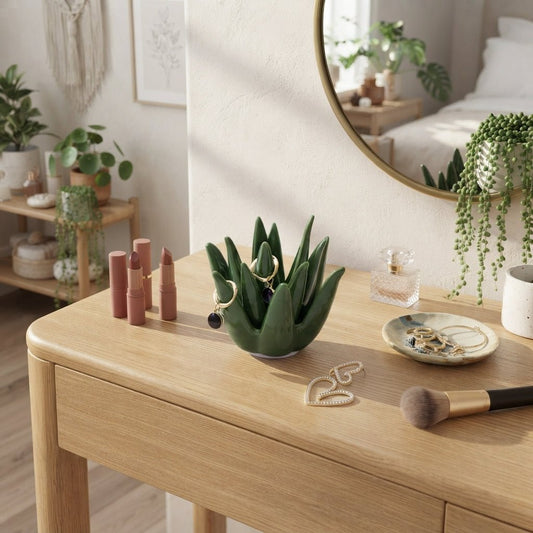
A practical first-home buying order for lighting, comfort, textiles, storage and personal décor. Use the room, the routine and exact product measurements to decide what belongs in your home.
Live in the Space Before Filling It
A new home invites a rush of purchases, but the first few weeks reveal more than an empty-room photo. You learn where sunlight falls, which corner needs a lamp, where shoes and mail accumulate, and how people move through the space. Use that information to guide each purchase.
Make a short list by room: what must work now, what would improve comfort and what can wait. That keeps the budget focused while leaving room for your taste to develop.
Measure the Whole Room
Record wall lengths, furniture dimensions, ceiling height, windows, door swings, outlets, vents and pathways. Measure the actual usable areas, not just the broad room. An entryway may have a wide wall but very little safe depth once the door opens.
Take photos from the entrances and note existing finishes. Bring measurements into every purchase decision. A lamp needs an outlet or viable power plan, a rug should relate to seating, and art needs wall space that is not blocked by a door.
Make Lighting Usable First
A single ceiling fixture rarely serves every activity. Begin with safe general illumination, then add task light where you read, work or prepare for bed. A small accent light can give the room depth after the working needs are covered.
Check lamp height against furniture, shade glare at seated eye level, power source and controls. Lighting affects how colors and materials look, so it is worth evaluating before committing to a large palette of accessories.
Address Comfort and Sound
Soft furnishings can make a room feel settled quickly. A rug can visually anchor seating and soften footfall; a throw can add warmth; pillows can support comfort. Purchase with the furniture dimensions in hand and preserve enough usable seating.
Check whether pillow listings include inserts, whether rug pile suits doors and chairs, and whether care instructions fit your household. Buy a few pieces that do actual work instead of filling every available corner.
Solve the Daily Drop Zones
Notice where small items naturally land. An entryway catchall for keys, a bedside dish for jewelry or a contained desk area can prevent visual clutter. Choose organizers for the items you own, then check internal and external dimensions.
Storage should match the routine. If you must move an object every time you need a surface, the arrangement may be decorative but unhelpful. Leave open space for drinks, devices and daily use.
Build a Simple Visual Thread
Choose two or three colors or finishes that you can repeat loosely across rooms. Warm wood, cream textiles and olive accents might connect a living room and bedroom without making them identical. Repetition of shape or material can also create continuity.
Do not buy everything in one matching set. A collected home develops through layers. One strong art piece or sculptural accent can do more than several small, unrelated purchases.
Add Personality in the Final Layer
Once the room's lighting, circulation and comfort work, consider wall art, vases, shelves and other decorative accents. Size art to the furniture or wall zone; leave some surfaces open. A piece should bring meaning or interest, not simply occupy a blank spot.
Rotate objects as you learn the room. Items from your life can sit alongside new purchases, making the home personal without having to resolve every style decision at once.
Buy in a Sustainable Order
Use a staged list: first the pieces that make everyday life work; next textiles and storage that improve comfort; finally the expressive accents. Review each room after living with a stage. The sequence may vary depending on what the home already includes.
Common mistakes are buying a rug before measuring furniture, choosing art before deciding layout, and purchasing many small accents to compensate for missing light or comfort. Give yourself permission to leave a corner unfinished until you know what it needs.
The First Month: Make Rooms Work
Give priority to places where you sleep, sit, work and enter the home. Establish safe light and a usable surface in each before shopping for decorative layers. A bare corner is less urgent than a poorly lit desk or a doorway crowded with shoes.
As you unpack, keep a note of daily frustrations. The list helps distinguish real needs from attractive purchases prompted by a photo. You may discover that a bedside catchall is useful sooner than a second wall accent.
The Next Layer: Soften and Connect
Once furniture is in place, measure for textiles. A rug should anchor the seating or create a useful bedside landing. A pillow cover should fit an available insert and preserve room to sit. A throw should suit both the room's palette and the care routine.
Choose materials that work together without matching every surface. Repeating an olive, cream or wood tone in a few places creates a coherent thread. Try one tactile accent before purchasing a full collection.
Spend Where Daily Use Benefits
A useful lamp, a properly sized rug or storage that solves a repeated problem can improve the home every day. By contrast, several small objects purchased to fill a blank shelf may add cost and visual noise without solving anything.
Set a room-by-room priority list and compare measurements and care for every purchase. A budget works better when it is connected to use, not an arbitrary target number of items in each room.
Move Beyond the Showroom Look
A first home need not look finished at once. Leave room for objects collected through experience: a framed memory, a book you return to, a handmade piece or art chosen after you know the wall. That layered approach creates personal expression without overbuying.
Photograph the room after each stage. If the composition feels flat, the missing element may be light or texture rather than another ornament. If it feels crowded, remove an item and preserve breathing space.
Choose what supports the room you live in, then let the styling follow.
Final Buying Checklist
- Map room dimensions, light and circulation.
- Prioritize the rooms and routines used daily.
- Choose lighting and comfortable essentials.
- Select rugs and textiles to fit furniture.
- Contain daily items with measured storage.
- Add art and accents gradually.
Explore related ideas in Urban Alcove’s curated favorites collection.