

A practical guide to choosing rug size, material, pile and placement for living rooms, dining rooms and bedrooms. Use the room, the routine and exact product measurements to decide what belongs in your home.
Start With the Job of the Rug
A rug can soften a hard floor, define seating, add warmth near a bed or protect a high-use path. Decide which purpose matters most before choosing color. A dramatic texture may be lovely in a quiet bedroom but troublesome beneath dining chairs. A pale rug may be comfortable underfoot yet require care that does not suit an entryway.
Photograph the room from its doorway. Mark doors, vents, furniture legs and natural paths across the floor. A rug should support how the room is used, not interrupt movement or make you rearrange the furniture every day.
Measure the Furniture Arrangement
Measure the overall seating grouping, not simply the room's dimensions. For a sofa arrangement, compare a proposed rug width with the sofa and adjacent chairs. The rug should visually connect the primary seats; often their front legs can sit on it. If you prefer all furniture legs on the rug, measure the complete footprint and preserve clear walking space around it.
Use painter's tape or paper to mark the corners on the floor. View the outline from the door and from each seat. A rug that looked generous on a product page may appear small beneath a broad sectional, while an oversized rug can crowd a compact room.
Choose a Living Room Placement
The coffee table should sit comfortably inside the rug, with a visible border where possible. Keep chair legs stable rather than half on and half off a thick edge. An asymmetrical furniture arrangement may still feel balanced when the main pieces share one rug.
If a rug ends just before the sofa and isolates only the coffee table, the seating may look disconnected. Moving up a size or shifting the seating is often more effective than adding another decorative piece. Check the final layout against the room's actual walking routes.
Allow Dining Chairs to Move
Dining rugs need room for chairs pulled away from the table. Measure the table, then pull each chair out as it would be for sitting down and standing up. The back legs should remain on the rug through that movement. Check nearby walls, cabinets and doors as well as the table outline.
A low pile or flatweave can make chair movement simpler. Consider crumbs, spills and your realistic cleaning routine. A beautiful rug that cannot be maintained beneath a working dining table may belong in another room.
Create a Comfortable Bedside Landing
In a bedroom, decide whether the rug should extend beneath the bed and appear on both sides, sit at the foot, or serve one side as a runner. Measure the visible soft landing where bare feet reach the floor. Avoid paying for a large area that disappears under furniture without giving useful coverage.
Consider nightstand legs, doors and bed drawers. A rug edge in a frequently walked path should lie flat and stay secure. Try the taped outline while walking around the bed, rather than judging the arrangement only from above.
Compare Fiber, Pile and Construction
Pile height affects feel, appearance and clearance. Dense low pile can work well where chairs move; a plush pile feels softer in a quieter space but can show footprints or require more maintenance. Fiber, weave and finishing matter as much as pile height, so read the complete specifications rather than assuming every rug of one material performs alike.
Look at close-up photos of the surface and edges. Verify whether the listed size includes fringe, whether the rug has a backing, whether colors vary by batch and whether a rug pad is recommended. Never infer washability from the presence of a soft fabric.
Check Care and Floor Compatibility
Match the product's cleaning instructions to the room. Spills, pets, shoes and direct sunlight can change what is practical. Check that the backing or any separate pad is compatible with your floor finish, particularly on wood or delicate surfaces.
A rug needs to lie flat and be kept dry as its instructions require. Check door clearance where a rug crosses a threshold. If the care routine seems unrealistic, choose a simpler construction or place the rug where it will see less wear.
Common Rug-Buying Mistakes
The most frequent errors are choosing by a styled photo instead of measurements, buying a living room rug that isolates the coffee table, forgetting dining-chair pullback, ignoring door clearance, and assuming a material label tells the whole maintenance story.
Before checkout, confirm the exact variant dimensions, pile, fiber, backing, edge finish and care. Tape out the size and take one final photo from the room's entrance.
How to Read a Rug Listing
Check whether dimensions are approximate and whether fringe is included. A handmade or loosely constructed edge may vary slightly; plan around the usable body of the rug. Look for close views of the binding, backing and actual pile. Compare the exact color variant under daylight and warm artificial light when imagery is available. A room photo alone can hide a low pile or unusual sheen.
When ordering online, make a small comparison sheet with size, material, pile, backing, care and return terms for each candidate. It exposes the tradeoffs more clearly than saving attractive images without their specifications.
Rug Shape and Room Geometry
Rectangular rugs suit most sofa and bed layouts, but runners can soften narrow spaces and a round rug can echo a compact round table. Let the shape follow the furniture arrangement and movement pattern. A circular rug beneath a dining table still needs enough room for chairs to move onto it.
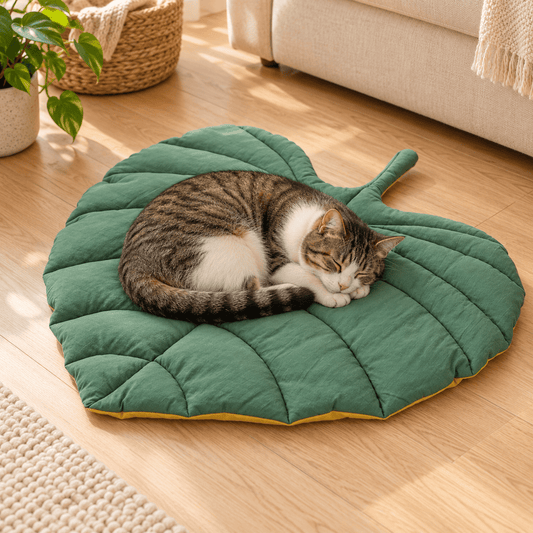
Irregular silhouettes can make a strong visual statement, yet their listed bounding measurements may overstate the useful coverage. Mark the outline in the room and inspect a top-down product view before choosing one.
Color, Pattern and Everyday Wear
Consider the room's floor, upholstery and other large surfaces. A rug can repeat a quiet room color or introduce controlled contrast. Pattern can disguise some daily marks, while very light solid colors can make care more demanding in a busy household. Dark pile may show lint and pale pet hair.
View color as one part of the purchase. If a rug has the right look but its cleaning requirements do not suit the room, choose a different construction rather than hoping the maintenance will become easier later.
Unroll and Assess the Fit
When a rug arrives, follow the maker's guidance for flattening and care. Place it on a clean, suitable floor and check that corners lie flat, doors clear it and chairs remain steady. Do not place a damp rug beneath furniture or force a fold flat with unapproved heat.
Step back and inspect the arrangement from every entry. The objective is a stable, comfortable zone that connects the furniture and leaves natural movement around it. Adjust placement before adding more accents.
Choose what supports the room you live in, then let the styling follow.
Final Buying Checklist
- Define the rug's purpose and traffic level.
- Measure furniture, chairs, doors and walkways.
- Tape the exact rug outline on the floor.
- Compare pile, fiber, backing and care.
- Check floor compatibility and pad guidance.
- Verify the selected variant's actual dimensions.
Explore related ideas in Urban Alcove’s soft furnishings collection.