

Bathroom décor has to work harder than decoration in almost any other room. It must tolerate moisture, clean easily, fit around doors and fixtures, and keep daily essentials accessible without crowding limited surfaces.
Begin With the Wet Zones
Map where water actually lands: outside the tub, beside the shower, around the sink, and near towel storage. Décor placed in these zones should dry readily, resist splashes, and remain stable underfoot. Keep moisture-sensitive baskets, art, and unfinished materials farther from direct spray.
Measure Mats, Counters, and Clearances
Measure the usable floor area rather than choosing a mat by room size. Check door swing, toilet clearance, cabinet doors, floor vents, and the space needed to step safely from the tub or shower. On the vanity, measure depth as carefully as width so trays do not interfere with the sink or faucet.
Choose Bath Mats for Safety and Care
Compare dimensions, pile height, backing, absorbency, drying time, and washing instructions. A plush mat may feel comfortable but can catch beneath a low door. Non-slip backing can help on suitable clean floors, but every mat still needs to lie flat and be dried according to its care guidance.
Practical rule: Choose the item that fits the room, the routine, and the maintenance you can realistically provide.
Select Towels by Use, Not Appearance Alone
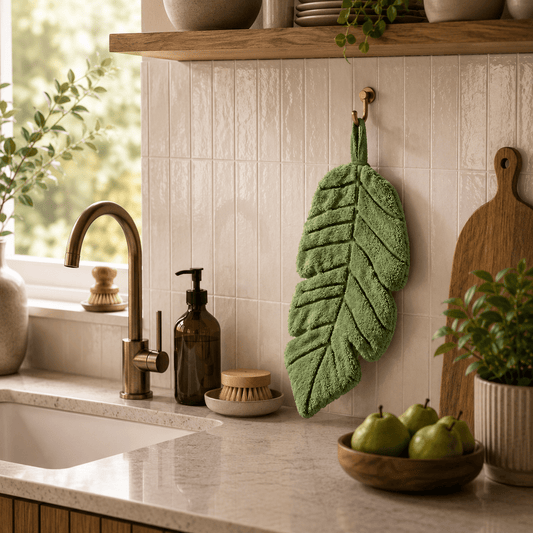
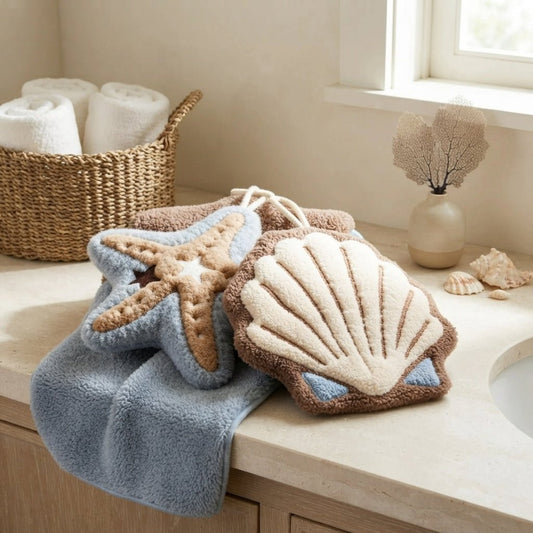
Check dimensions and intended use because hand towels, fingertip towels, and washcloths can look similar online. Cotton is absorbent and familiar; textured weaves add interest but may dry differently. Confirm loops, hems, wash instructions, and whether decorative details remain comfortable in daily use.
Control Countertop Clutter
Give the vanity one contained zone for everyday essentials and preserve open space around the basin. A tray can unite soap, a small vessel, and one practical item, but it should be easy to lift for cleaning. Store backups and irregular packaging out of sight.
Coordinate Color and Materials
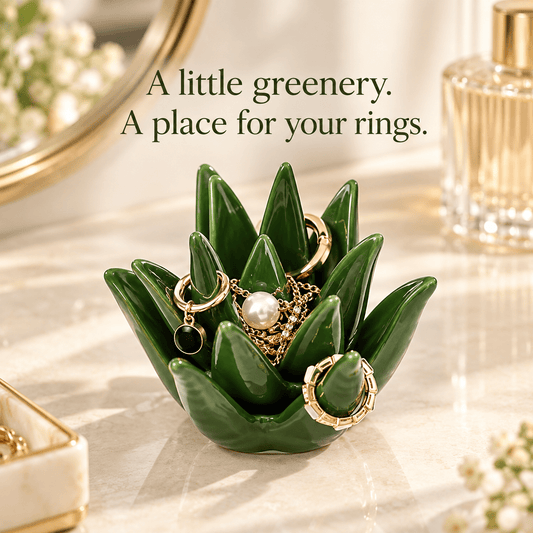
Repeat two or three finishes across the room instead of matching everything. Towels and a mat can share one color family while ceramic, glass, wood-look, or metal accents add contrast. Check product guidance before assuming a vessel is waterproof or a natural material suits humidity.
Plan Wall Décor and Lighting Carefully
Use wall décor away from direct splash and steam when possible. Measure around mirrors, towel bars, doors, and switches. Lighting should support grooming without glare; decorative lamps should never be used near water unless specifically rated and safely positioned.
A calm bathroom comes from fewer, better-placed pieces that are easy to clean and safe around water.
Common Buying Mistakes
- Buying a mat before checking door and cabinet clearance.
- Using moisture-sensitive materials beside a shower or sink.
- Crowding the vanity with several small containers.
- Assuming decorative trays or vessels are waterproof.
- Choosing towels without confirming dimensions and care.
Final Buying Checklist
- Map wet and dry zones.
- Measure floor space, doors, drawers, and counter depth.
- Check mat backing, pile, drying time, and care.
- Confirm towel size and intended use.
- Choose materials suited to humidity and cleaning.
- Keep one contained countertop zone and preserve open space.
- Verify mounting and moisture requirements for wall décor.
Ready to compare options? Explore Urban Alcove’s bathroom collection.