


-
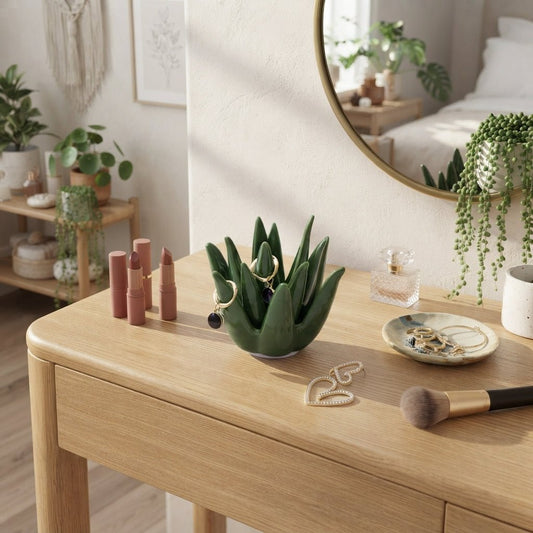
Agave Bloom - Ceramic Cactus Ring Holder
Regular price $28.99Regular price $28.99 Sale priceUnit price per$34.99Sale -
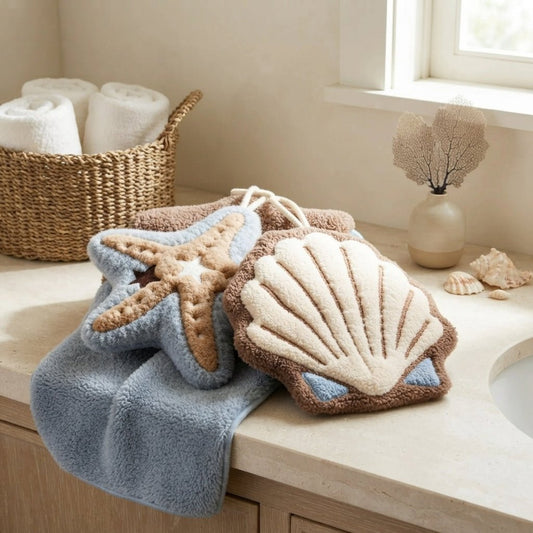
Coastal Tide - Ocean Shell & Starfish Hand Towel
Regular price From $14.99Regular price From $14.99 Sale priceUnit price per$17.99Sale -
Dune Fringe – Textured Tufted Pillow Cover
Regular price $49.99Regular price $49.99Unit price perSold out -
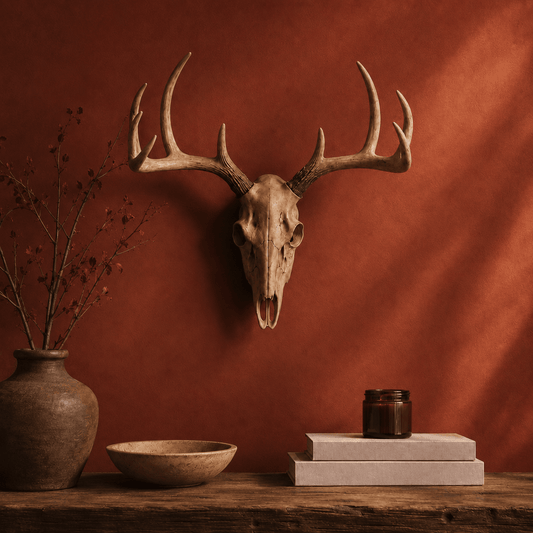
Elkwood - 3D Resin Deer Head Wall Sculpture
Regular price $59.99Regular price $59.99 Sale priceUnit price per$71.99Sale -
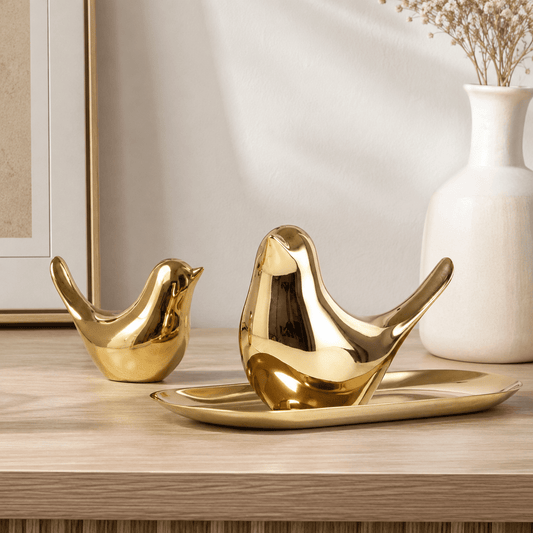
Gilded - Modern Nordic Gold Bird Figurine
Regular price From $22.99Regular price From $22.99Unit price per -
Glow Weave - Woven Bamboo Table Lamp
Regular price From $62.99Regular price From $62.99Unit price per -
Luma Arc - Modern Dimmable LED Table Lamp
Regular price $33.99Regular price $33.99Unit price per -
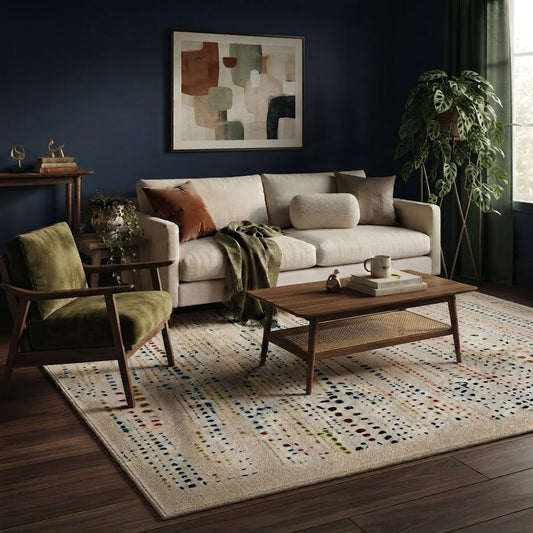
Miro - Abstract Transitional Area Rug
Regular price From $68.99Regular price From $68.99Unit price per -
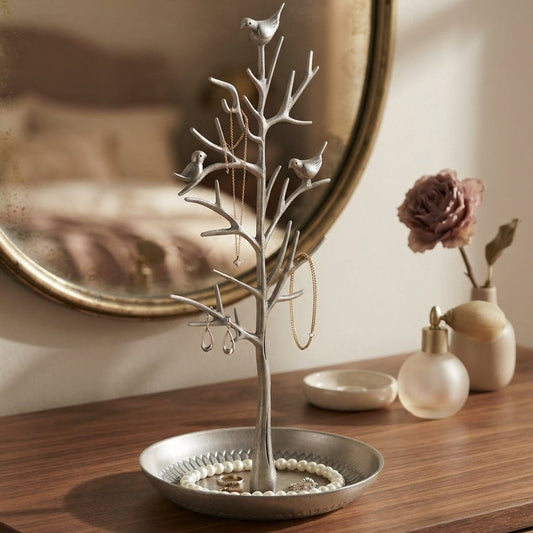
Rowan - Bird & Tree Jewelry Stand
Regular price From $27.99Regular price From $27.99Unit price per -
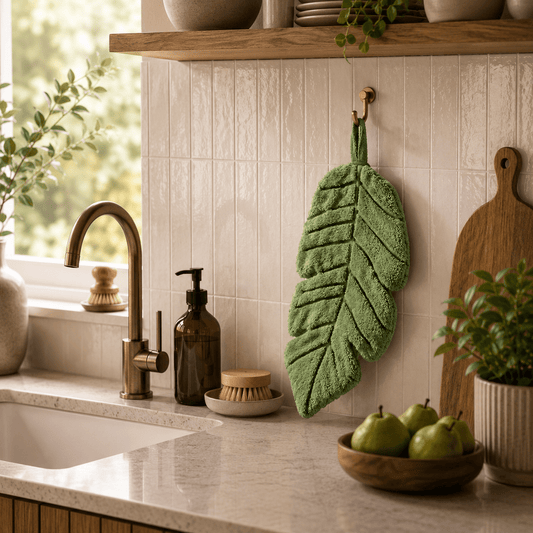
Sage Leaf - Leaf-Shaped Hanging Hand Towel
Regular price From $12.99Regular price From $12.99 Sale priceUnit price per$15.99Sale -
Solene - Globe Glass Table Lamp
Regular price $113.99Regular price $113.99Unit price per











Explore Related Collections
-

Modern Organic
Bring effortless warmth and contemporary character to your space with our Natural...
-

Soft Furnishings
Add comfort and visual warmth with our Soft Furnishings Collection. Featuring pillows,...


Frequently Asked Questions
Ideas & Inspiration
Featured Article
The 2026 Home Decor Trends You’ll Actually Want to Live With
Home decor trends come and go. One year everything is beige and minimalist. The next, every room seems to be covered in bold patterns, chrome, or something you saw on Pinte...
Read more
Modern Organic Decor: How to Create a Warm, Natural Home
Learn how to create a warm modern organic home using natural materials, layered texture, soft shapes, earthy color, and thoughtfully placed lighting.
Read more
How to Bring Natural Textures Into Your Home
Discover simple ways to bring warmth and character into your home with natural textures, woven fibers, wood, jute, bamboo, rattan, and organic materials. Learn how to layer texture beautifully without adding clutter.
Read more