


-
Ripple - Set of 2 Wavy Cylinder Vases
Regular price From $25.99Regular price From $25.99Unit price per -
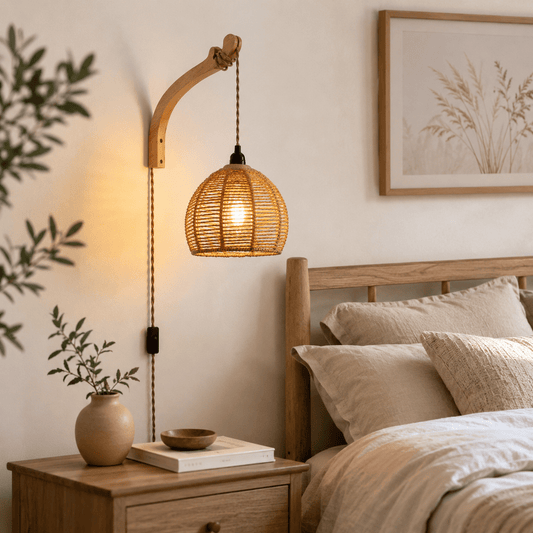
Rattan Glow - Boho Plug-In Wall Sconce
Regular price $69.99Regular price $69.99Unit price per -
Oslo - Nordic Wood Adjustable Desk Lamp
Regular price From $43.99Regular price From $43.99Unit price per -
Orbit Ball - Modern Nordic Alarm Clock
Regular price $34.99Regular price $34.99Unit price per -
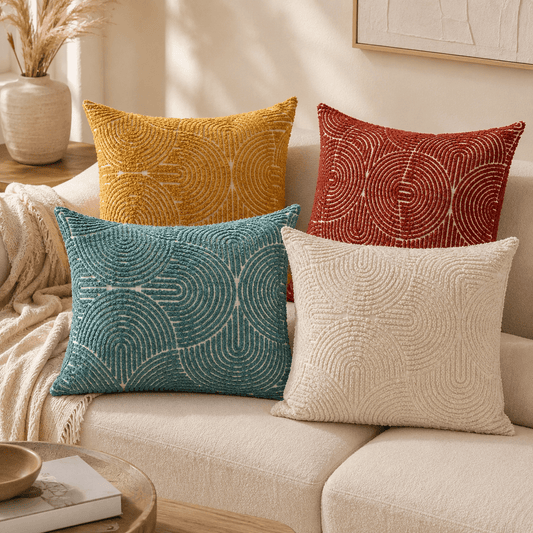
Onda - Geometric Tufted Cushion Cover Set
Regular price $41.99Regular price $41.99Unit price per -
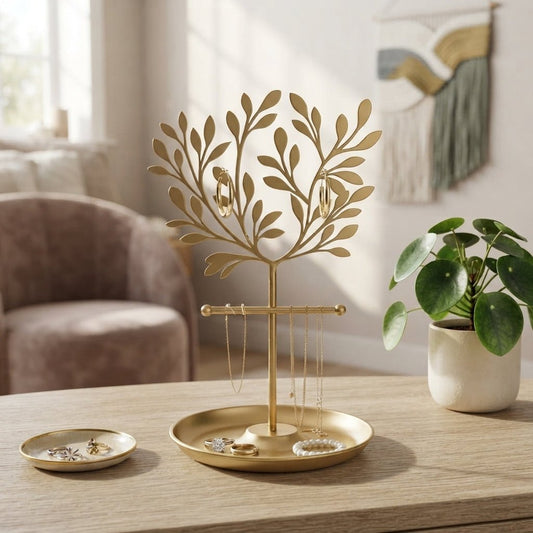
Olive Branch - Metal Jewelry Stand with Jewelry Tray
Regular price From $34.99Regular price From $34.99Unit price per -
Noma - Tufted Square Floor Cushion
Regular price From $57.99Regular price From $57.99Unit price per -
Nazar - Boho Evil Eye Dream Catcher
Regular price $30.99Regular price $30.99Unit price per -
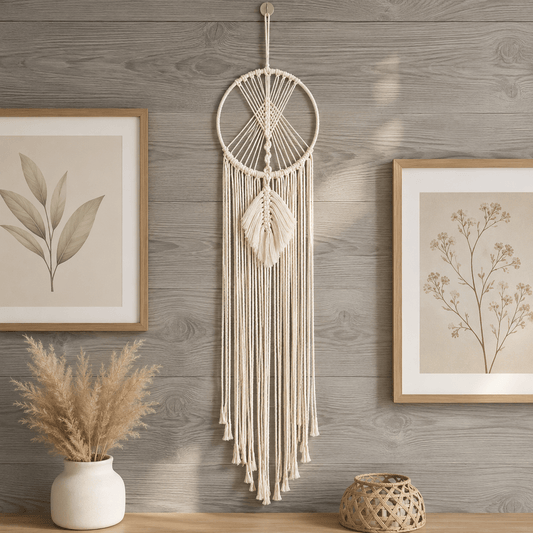
Moonwoven - Macramé Dreamcatcher Wall Tapestry
Regular price $24.99Regular price $24.99Unit price per -
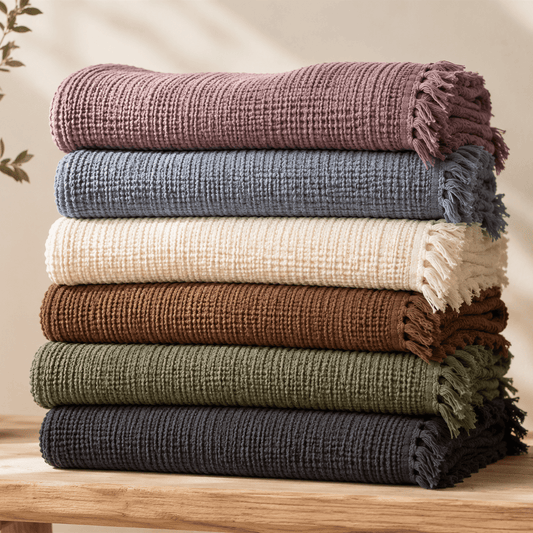
Mizu Fringe - Cotton Throw Blanket
Regular price $69.99Regular price $69.99Unit price per -
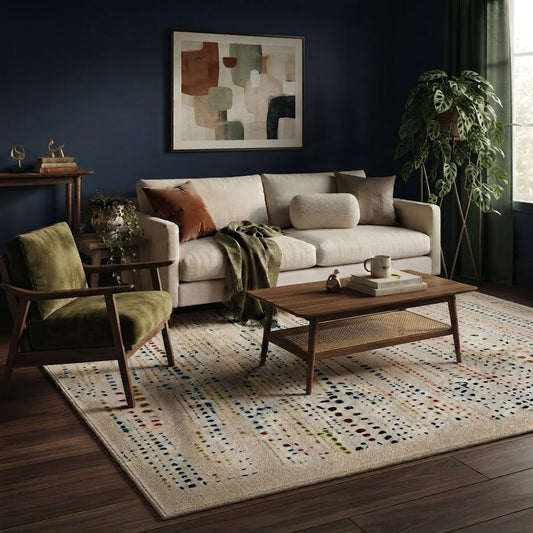
Miro - Abstract Transitional Area Rug
Regular price From $68.99Regular price From $68.99Unit price per -
Mira - Colorful Boho Round Floor Cushion
Regular price From $32.99Regular price From $32.99Unit price per -
Lunara - Celestial Crescent Jewelry Tray
Regular price $24.99Regular price $24.99Unit price per -
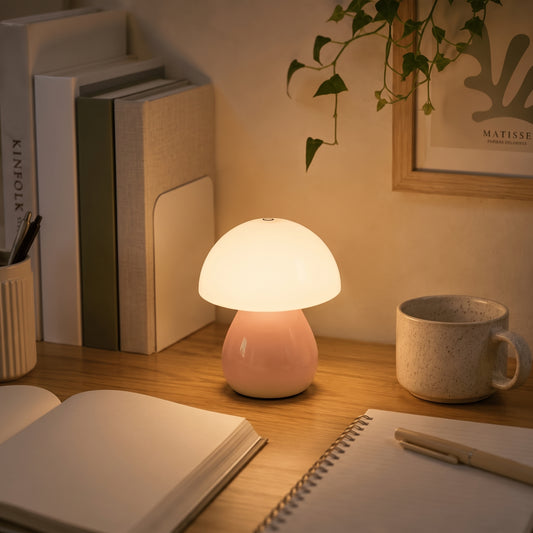
Luna - Mushroom Table Lamp
Regular price $27.99Regular price $27.99Unit price per -
Lumi - Modern Mushroom Table Lamp
Regular price $137.99Regular price $137.99Unit price per -
Luma Arc - Modern Dimmable LED Table Lamp
Regular price $33.99Regular price $33.99Unit price per -
Luma - Boho Hanging Photo Display with Wood Bead
Regular price $20.99Regular price $20.99Unit price per -
Loomline - Textured Chenille Pillow Cover
Regular price From $23.99Regular price From $23.99Unit price per -
Kohana - Woven-Rim Ceramic Accent Tray
Regular price $34.99Regular price $34.99Unit price per -
Koa - Geometric Boho Pouf Cover
Regular price $52.99Regular price $52.99Unit price per -
Hemp Glow - Vintage Rope String Lights
Regular price From $21.99Regular price From $21.99Unit price per -

 Sold out
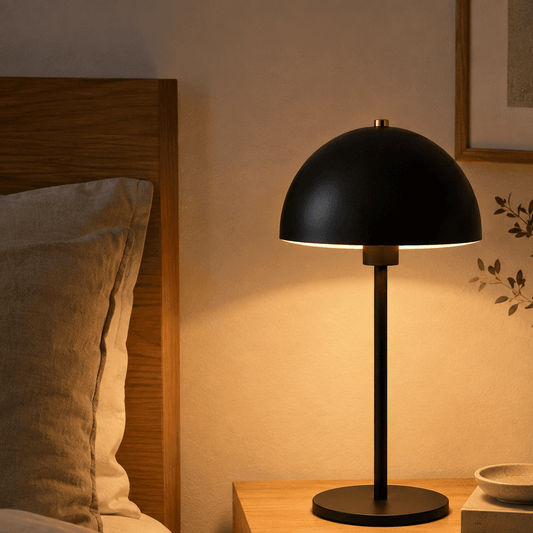
Haven - Minimalist Bedside Lamp
Regular price From $47.99Regular price From $47.99Unit price perSold out -
Glow Weave - Woven Bamboo Table Lamp
Regular price From $62.99Regular price From $62.99Unit price per -
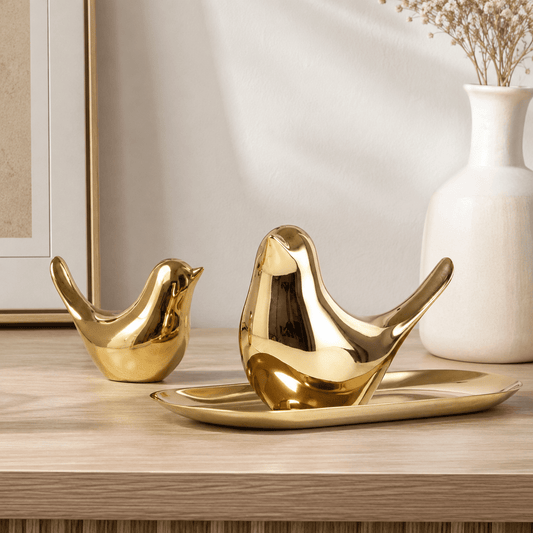
Gilded - Modern Nordic Gold Bird Figurine
Regular price From $22.99Regular price From $22.99Unit price per














Begin with the room’s daily rhythm
Layer lighting for rest and routine
Build comfort through texture, not clutter
Edit the finishing touches

Explore Related Collections
-

Soft Furnishings
Add comfort and visual warmth with our Soft Furnishings Collection. Featuring pillows,...
-

Storage & Organization
Bring order to your space with our Storage & Organization Collection. Explore...


Frequently Asked Questions
Ideas & Inspiration
How to Make Your Bedroom Feel Like a Boutique Hotel
You don't need a luxury hotel budget to make your bedroom feel more polished, peaceful, and inviting. The secret isn't filling the room with expensive furniture or perfectly matching everything....
Read more
How to Create a Cozy Home Without Making It Feel Cluttered
A cozy home should feel warm, inviting, and comfortable—not like every available surface has been filled with something. Creating that balance can be tricky. Add too little, and a room can feel cold or unfinished. Add too much, and the space can quickly become visually overwhelming.
Read more
Modern Organic Decor: How to Create a Warm, Natural Home
Learn how to create a warm modern organic home using natural materials, layered texture, soft shapes, earthy color, and thoughtfully placed lighting.
Read more