A room doesn’t need more furniture to feel finished. Sometimes, it just needs the right accent.
Vases, sculptures, small plants, decorative bowls, wall hangings, and other carefully chosen pieces can add personality, texture, color, and warmth without overwhelming your space. The trick is knowing what to choose, where to place it, and when to stop.
Here’s how to make accent pieces work for your space.
Start With One Focal Point
Before adding several decorative pieces, choose one area you want to draw attention to.
This could be a console table, bedside table, empty shelf, coffee table, or an otherwise blank section of wall.
A larger sculpture, statement vase, or striking wall hanging can become the focal point, while smaller pieces support it.
Think of your accents like an outfit: one piece can make the statement while everything else complements it.

Vases: Easy Style With Plenty of Flexibility
Vases are one of the easiest accent pieces to work into almost any room.
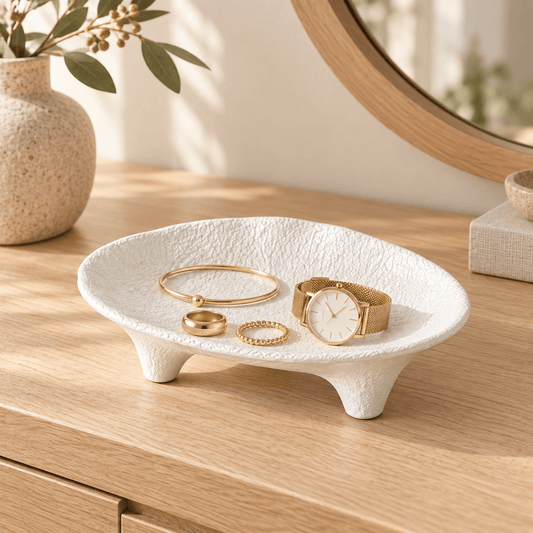
Try a larger vase on a console, sideboard, or open shelf. For a smaller surface like a nightstand or desk, choose something more compact.
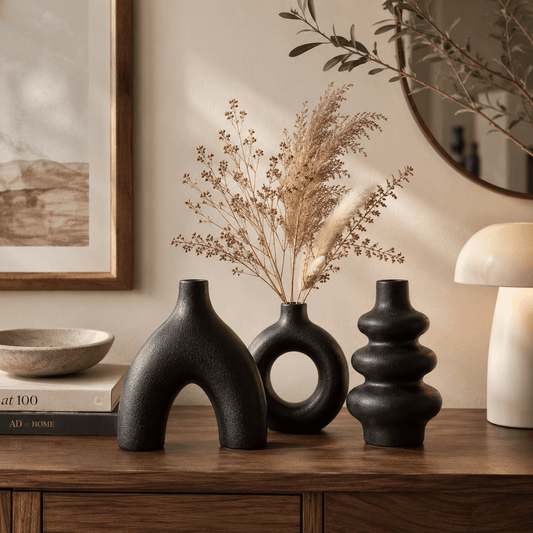
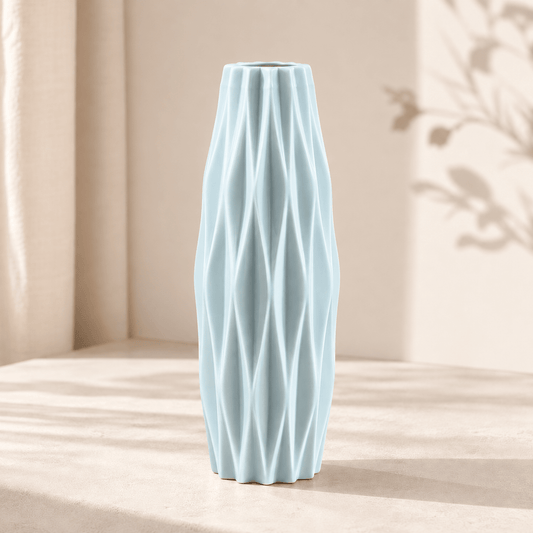
You don't always need flowers, either. A sculptural vase can look just as good empty, particularly when its shape or finish adds visual interest.
For a more collected look, group two or three vases of different heights while keeping their colors or materials connected.
Sculptures: Add Personality Without Clutter
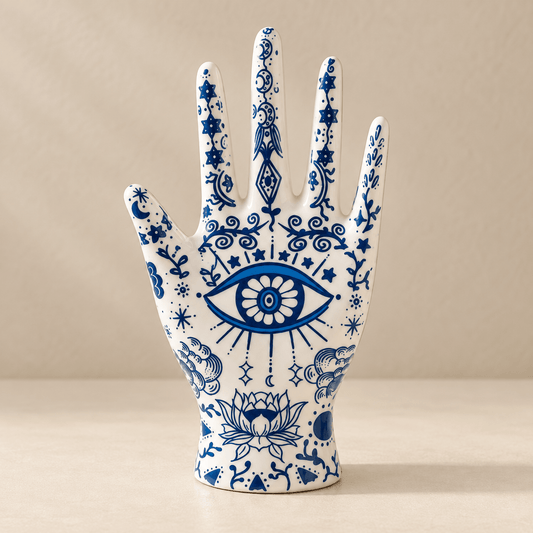
Decorative sculptures are perfect for adding character to shelves, bookcases, consoles, and side tables.
Look for interesting silhouettes, organic shapes, or contrasting materials. A sculptural piece can break up a collection of books and practical objects, making the space feel more curated.
Placement matters. Give the sculpture enough breathing room that it can actually be noticed.
Don't fill every empty space. A little negative space around an accent often makes it feel more intentional.

Small Plants: Bring the Room to Life
Plants are an easy way to soften furniture with clean lines and add a natural element to your space.
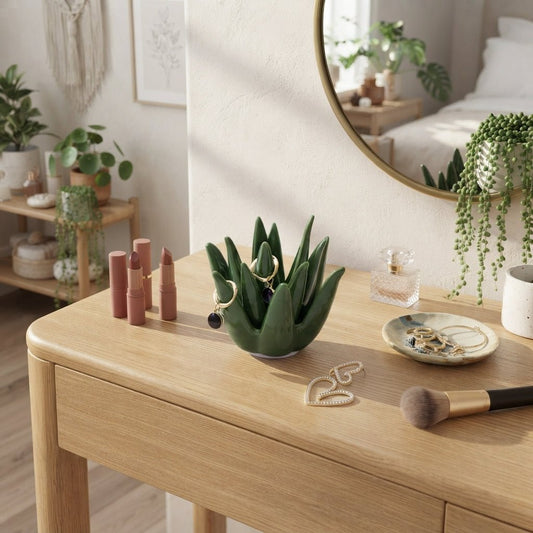
Small plants work especially well on desks, shelves, bedside tables, and bathroom counters. If keeping a real plant alive isn't your thing, a quality faux plant can provide a similar visual effect with almost no maintenance.
Try placing greenery next to harder materials such as wood, metal, ceramic, or glass. The contrast helps both elements stand out.
Wall Hangings: Use Your Vertical Space
Not every accent needs to sit on a surface.
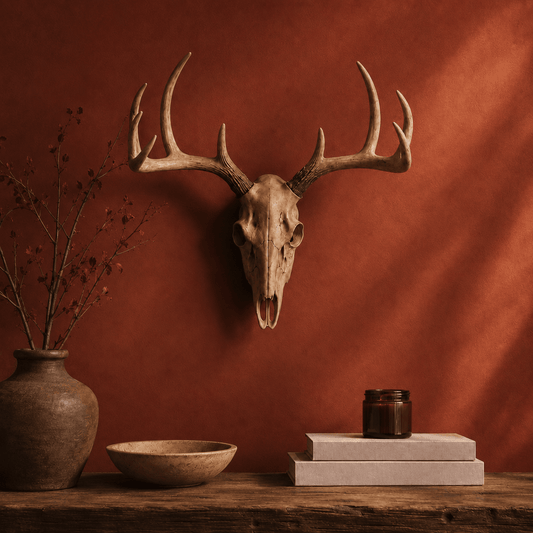
A wall hanging can fill an awkward empty wall while adding texture and dimension without taking up valuable floor space. They're especially useful above beds, desks, consoles, or smaller seating areas.
If the wall feels too empty for a large piece of art but too large for a small framed print, a textured wall hanging can be the perfect middle ground.

Create Small Moments, Not Clutter
One of the biggest mistakes with accent pieces is trying to decorate every available surface.
Instead, create small moments of interest throughout the room.
A vase on a console.
A small sculpture on a shelf.
A plant beside your desk.
A textured piece on the wall.
Together, these details make the room feel layered without making it feel crowded.
Mix Height, Texture & Shape
The most interesting arrangements rarely have everything at the same height.
Combine a tall vase with a shorter object. Pair a smooth ceramic finish with woven texture. Place something rounded beside something with a more angular silhouette.
This contrast creates visual movement and keeps a simple arrangement from feeling flat.
A useful rule is to think in three dimensions: height, shape, and texture.
Know When to Stop
The best accent pieces don't compete with the room. They complete it.
If a surface starts feeling busy, remove one or two things. If everything looks too similar, introduce a different texture or shape. And if the room already has plenty of visual interest, sometimes the best accent is simply a little empty space.
Choose fewer pieces. Choose pieces you actually love. Give them room to breathe.
That's what turns decorating from filling a room into creating a space that feels distinctly yours.
Continue Exploring
Find more inspiration and pieces for your space through Decorative Accents, Wall Decor, cozy home guide, and natural texture guide.