

A small snack table feels generous when everyone can find what they need, reach a serving dish and put a plate down. You do not need a large spread or matching tableware. A few well-placed pieces can make a quiet evening for two or a gathering of six feel easy.
These four arrangements start with the surfaces you already own: a side table, coffee table or narrow console. Choose the layout that suits how people will use the room, then build it with your everyday plates, small bowls and napkins.
The simplest starting point: Put out the empty serving pieces first. Add a personal plate and any serving utensils, then test the arrangement from the position where a guest will actually stand or sit. If reaching one dish means leaning over another, move it before adding food.
Choose your snack-table layout
Use these counts as a starting inventory, adjusting for what you serve and the dishes you own. They describe serving pieces, not food portions or a required shopping list.
| Arrangement | Guests | Shared serving pieces | Keep clear |
|---|---|---|---|
| Round side table | 2 | 1 medium plate + 2 small dishes | An accessible edge for setting down a plate |
| Low coffee table | 4 | 2 platters + 3 small dishes | A landing space near each seating side |
| Narrow console buffet | 6 | 2 platters + 4 small dishes | Plate pickup and a clear exit end |
| Food table + drinks station | 4–6 | 1–2 platters + 2–3 small dishes | Routes to both surfaces |
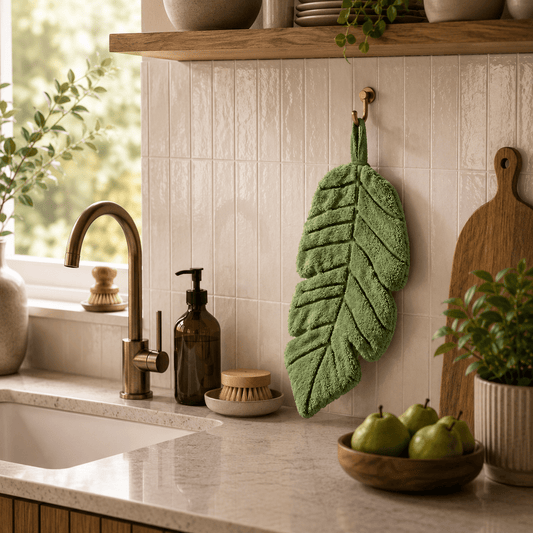
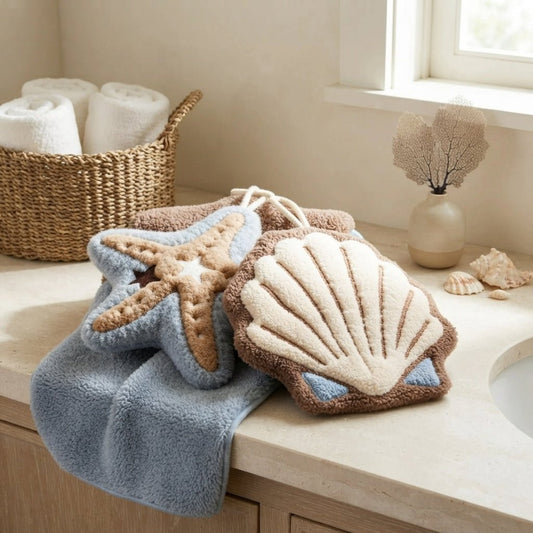
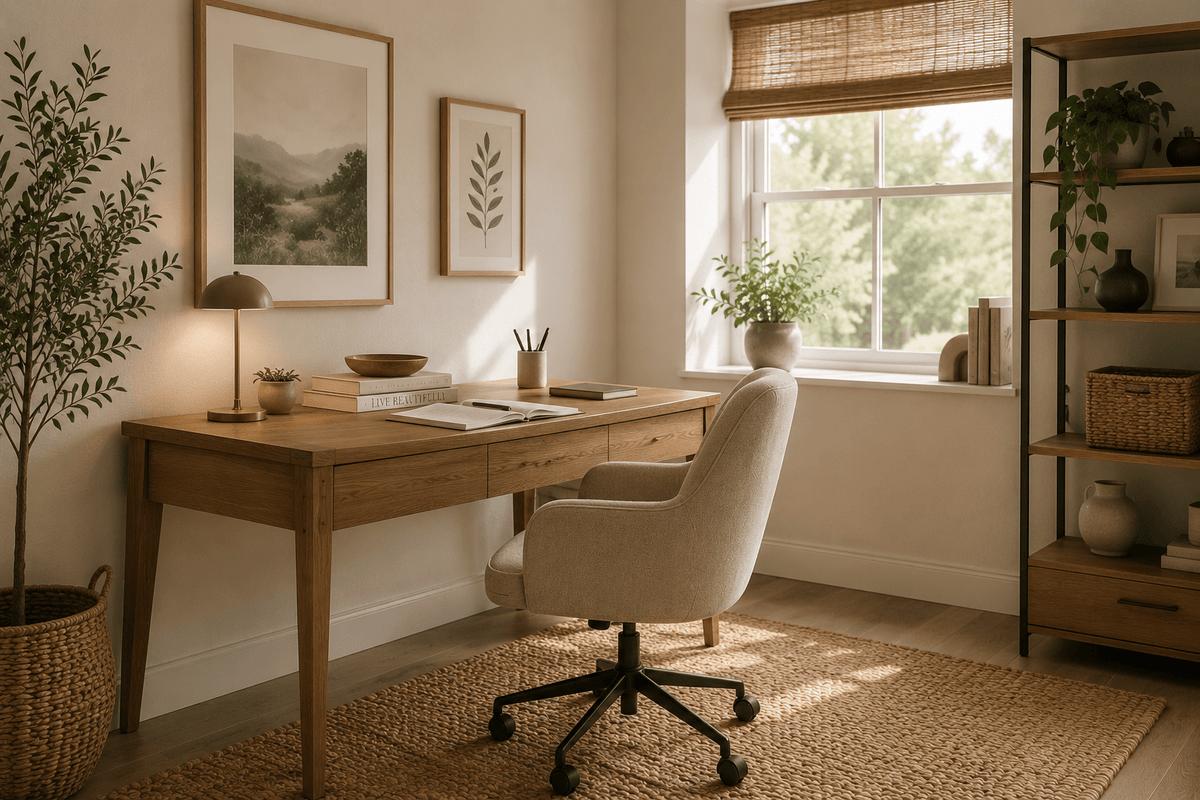
Allow one personal snack plate and napkin per person, with clean spares nearby if useful. The photographs illustrate the layout ideas; they are not measured plans or exact Urban Alcove product sets.
1. A round side table for two
Best for: A shared snack beside the sofa, with drinks placed on another suitable surface.

Begin with one medium plate for the main snack and two small dishes for accompaniments. For example, crackers and fruit can share the plate, with a dip and olives in separate dishes. Place the medium plate toward the middle and bring the small dishes toward the edge used by both people.
Keep the nearest edge open so someone can rest a personal plate there briefly. Two small plates can begin in a neat stack beside the napkins, then move to the guests. If that stack crowds the food, hand the plates out before sitting down.
Test the reach from both seats. A table that is convenient for one person may leave the other stretching across the sofa arm. Shift the table, change the seating or divide an accompaniment between two dishes when that makes sharing easier.
Try this setup: 1 shared plate + 2 accompaniment dishes + 2 personal plates + 2 napkins. Keep refills elsewhere rather than adding another bowl to a crowded surface.
2. A low coffee-table spread for four
Best for: A relaxed catch-up with people seated around an existing coffee table.

Use two medium platters instead of concentrating everything on one large board. Put one slightly toward each end, with three smaller dishes staggered between them. This gives guests more than one place to begin and makes the spread easier to adjust around the table's shape.
Keep the vessels low and the handles of serving utensils within the tabletop. From each seat, check whether someone can reach a useful selection without leaning across another person's plate. If one accompaniment is popular but awkward to reach, split it between two smaller dishes rather than adding a tall centerpiece.
Leave a patch of clear table near each seating side. Once everyone has a plate, those spaces become useful landing spots. A runner is optional; if it makes a small table feel busier or interferes with stable placement, use individual folded napkins instead.
Try this setup: 2 platters + 3 small dishes + 4 personal plates + 4 napkins. Place the empty pieces first and remove one if the table no longer has useful landing space.
3. A narrow console buffet for six
Best for: Guests serving themselves before moving to seats elsewhere in the room.

Start at the end guests naturally approach. Put a stable stack of six small plates there, followed by the main platters and then the smaller accompaniments. Keep napkins easy to pick up, and leave a clear patch at the far end where someone can set down a plate while finishing.
For a narrow surface, set dishes in a loose line rather than hiding smaller bowls behind larger ones. A guest should be able to see and use a dish from the front without reaching over food. Check the depth with the actual vessels and serving tools before deciding how many fit.
Six guests do not need six shared bowls. Two platters and four small dishes can offer variety while keeping the arrangement readable. Choose the food around the serving pieces that fit, and replenish from the kitchen instead of lining the back edge with reserves.
Walk the route carrying an empty plate. Open nearby doors and drawers, and check where a second guest can wait without blocking the room. If the console sits in the main passage, choose a different surface or serve a smaller selection.
Try this setup: 2 platters + 4 small dishes + 6 personal plates + 6 napkins. Use a stable, suitable surface with enough depth for every piece to sit fully supported.
4. A food table with a separate drinks station
Best for: Four to six people when glasses would take up too much of the main snack surface.

Keep one or two platters and two or three small dishes on the main surface. Move the water carafe and glasses to a stable side table nearby. Start with one glass per guest and check that the carafe can be lifted and returned without knocking the surrounding glasses.
Position the drinks table where people can approach it without stepping between seated guests or squeezing behind someone serving food. A separate station only helps when the route works. Avoid putting a loose tray on an upholstered seat or balancing glasses on an undersized surface.
Repeat one detail between the stations: an olive napkin, a cream dish or the same wood tone. That small connection is enough to make the arrangement feel intentional. Keep extra decoration elsewhere so the working surfaces remain useful.
Try this setup: A compact food spread on the main table; a carafe and one glass per guest on the second surface. Test both stations with the actual pieces before guests arrive.
Make the pieces you own work together
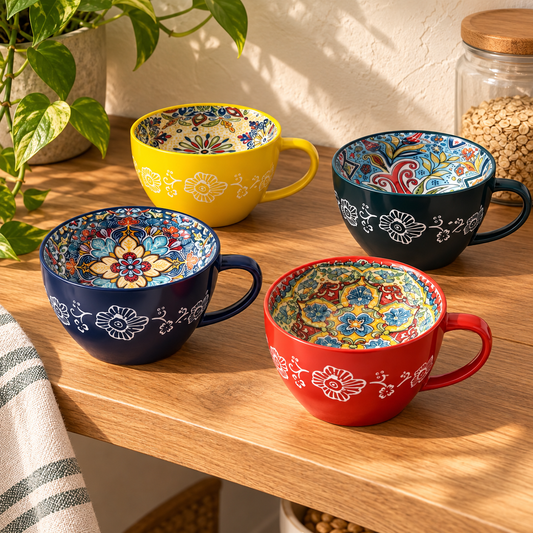
Plain everyday plates give patterned serving dishes room to stand out. Choose one color from a favorite ceramic and repeat it in a napkin, then let familiar wood and cream tones connect the rest. A mixed collection can feel considered without every piece matching.
Use pieces intended for food, and choose each dish around what it needs to hold. A shallow dish may suit a small accompaniment, while a deeper bowl can be easier for a dip served with a spoon. Our Dipping Dish Buying Guide explains the size, depth and set-count checks to make before buying.
Keep linens simple enough to wash and reuse. Fold one napkin per guest and use a runner only when it leaves the serving arrangement comfortable to use. For fabric, dimensions and care checks, see the Table Linen Buying Guide.
The most inviting snack table leaves room for the people using it.
Your small-space hosting checklist
- Choose the layout around where guests will stand or sit.
- Count one personal plate and napkin per person.
- Arrange empty serving pieces and utensils before adding food.
- Leave a clear place to set a plate down.
- Test reach, nearby doors and the route through the room.
- Move drinks or refills elsewhere if the main surface feels crowded.
- Use a few repeated colors and let the serving pieces provide the decoration.
Start with one arrangement and adjust it around your room. If a useful piece is missing, explore Urban Alcove's Kitchen collection with your layout and dish count in mind. A small addition works hardest when you already know where it will go.